Winter in the Oakville area doesn’t take it easy on vehicles. Road salt works into the undercarriage, potholes knock your alignment out of spec, freezing temperatures drain your battery, and months of cold-weather driving affect everything from your brakes to your fluid levels. Once the snow melts and you’re no longer fighting ice every morning, it’s worth giving your vehicle the attention it needs before the warmer months get into full swing.
At Sil’s Auto Care Centre, spring is one of our busiest times of year for good reason. Here’s what we recommend checking after every Ontario winter.
Make the Tire Swap Before the Season Gets Away from You
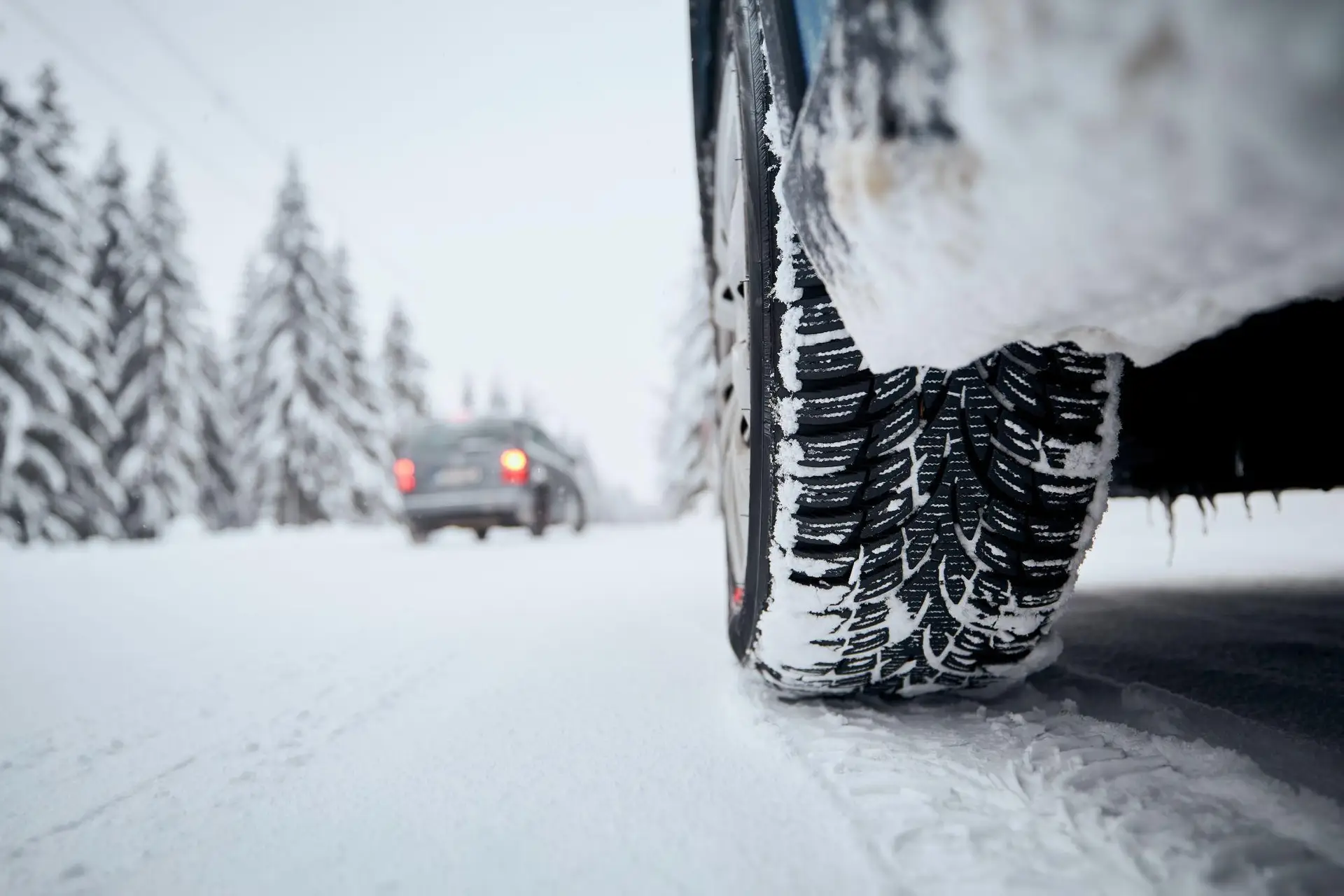
If you’re still on winter tires, getting them swapped out is the most time-sensitive item on your spring list. Winter tires are built for cold temperatures and soft snow surfaces, not warm asphalt. Running them once the weather warms up wears the tread down faster than normal and actually reduces your handling and stopping ability on dry pavement.
The general guideline in Ontario is to switch when daytime temperatures are consistently staying above 7°C. For most Oakville drivers, that window opens up somewhere between late March and early May. Booking a seasonal tire change sooner rather than later means you avoid the mid-April rush, and as our team has noted, professional tire service ensures the swap is done correctly so your summer or all-season tires go on in proper condition with no guesswork.
Your Brakes Took a Hit This Winter, Whether You Noticed It or Not
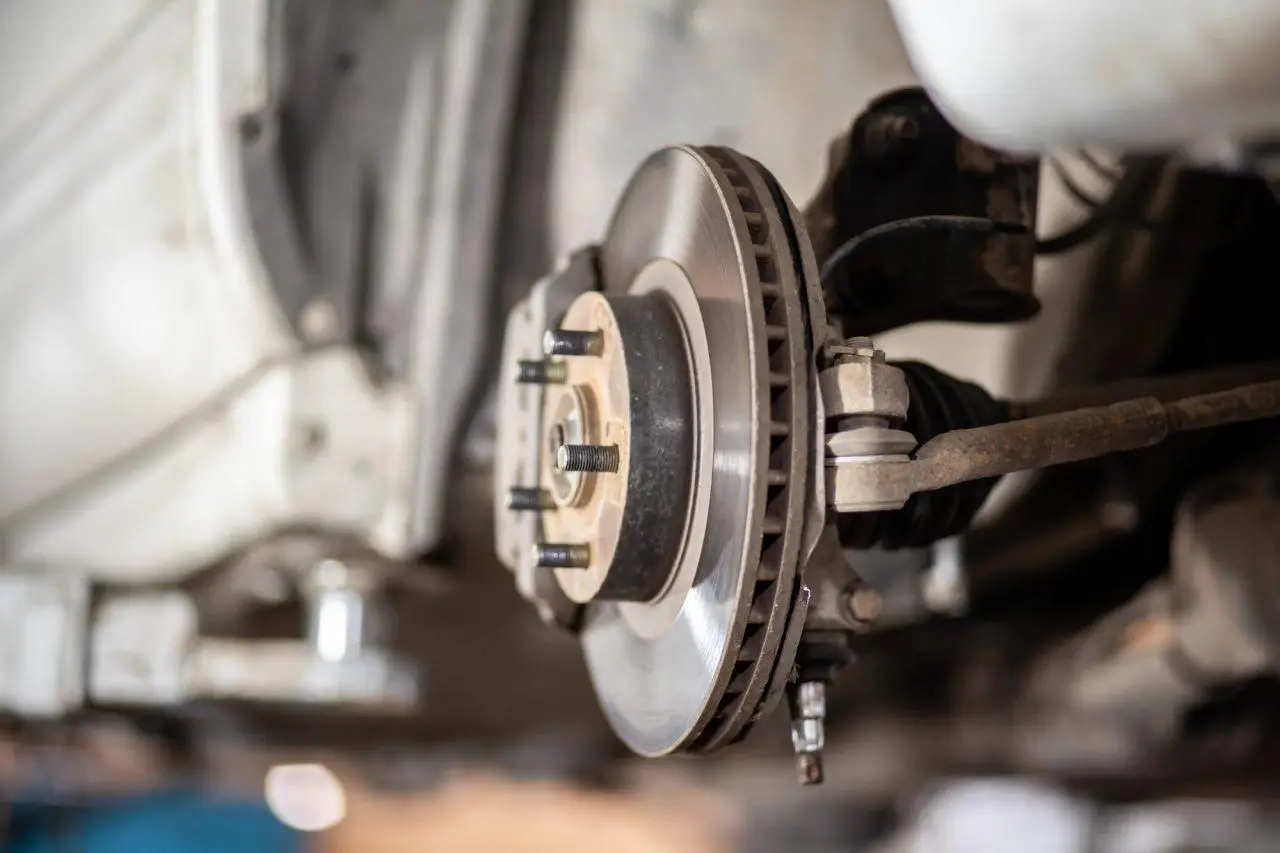
Brake pads, rotors, and calipers are particularly vulnerable to winter driving conditions. Salt and moisture accelerate corrosion on brake components, and the grit from sand and road debris grinds against the pads during every stop. By spring, even a vehicle that feels like it’s stopping normally may have worn pads or surface rust building up on the rotors.
As we covered in our guide to reliable brake service in Oakville, the brake system is one of the most critical safety features on your vehicle, and a post-winter inspection is the best way to confirm everything is still performing the way it should. If you’ve noticed any squealing, a slight pull to one side when braking, or a softer pedal feel than usual, that’s worth having looked at before it becomes something more involved.
Fluid Checks That Often Get Overlooked
Cold weather affects how fluids perform and can accelerate the breakdown of additives that keep your engine, transmission, and brakes running properly. Engine oil, coolant, brake fluid, transmission fluid, power steering fluid, and windshield washer fluid should all be checked and topped up as needed. Several of these have service intervals that land around the same time as a seasonal tire change, which makes it practical to handle them together.
We recommend including fluid level checks as part of every seasonal vehicle review, and for good reason. Low or contaminated fluids are one of the more common causes of preventable breakdowns. A quick inspection at our shop can catch a fluid issue before it turns into something more expensive on the road.
Wheel Alignment After Pothole Season
Anyone who drove the Oakville area roads through late winter and early spring has felt the impact of pothole season. Even a single hard hit can shift your front-end alignment enough to cause uneven tire wear and a slight pull to one side. The problem is easy to ignore, especially if the handling doesn’t feel dramatically off. Over time, though, it wears your tires unevenly and makes your vehicle less fuel-efficient.
Getting a wheel alignment check in spring is one of the better investments you can make after a rough Ontario winter. Our technicians use precision equipment to restore your alignment to factory spec, and it takes considerably less time than replacing a set of tires that wore out early because the alignment was never corrected.
Battery Testing Before Summer Heat Finishes the Job
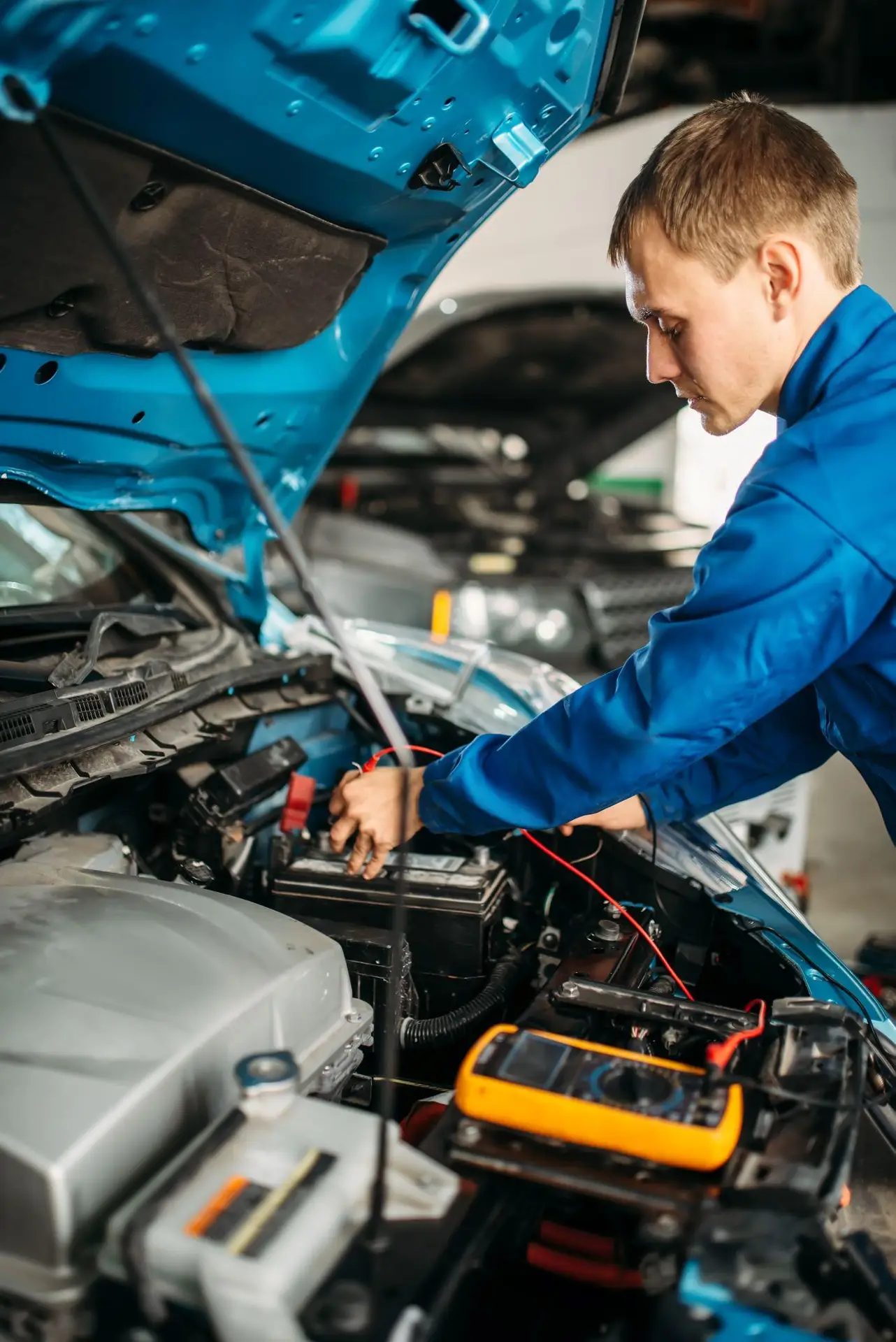
Cold weather is hard on batteries. A battery that’s been struggling through a Canadian winter may have just enough charge left to start your car on a warm spring day, but summer heat often finishes off a battery that was already weakened. Spring is one of the best times to have your battery tested before the heat of summer creates more stress on an already compromised unit.
If your battery is three or more years old, a load test is a smart move. Our team can test it as part of a broader spring car maintenance in Oakville appointment, so nothing gets missed in a single visit.
Wipers, Lights, and the Small Stuff That Adds Up
Wiper blades take a beating through winter and often crack or skip by the time spring arrives. Spring rain makes good wipers just as important as winter snow does. Take a minute to run them and check for streaking or smearing. While you’re doing a walkaround of your vehicle, check all your exterior lights as well. A burned-out tail light or signal is easy to miss until it becomes a ticket.
Spring Service Is an Investment, Not Just an Expense
Getting a proper post-winter inspection doesn’t have to mean a long list of repairs. Most of the time, it’s a quick check that confirms everything is in good shape and flags anything that needs attention before it turns into a more expensive problem down the road.
Whether you need a tire swap, a fluid top-up, or a full vehicle inspection, Sil’s Auto Care Centre is here to help. Book your appointment online or call us at (905) 823-2626. Spring is short in Ontario, and getting your vehicle sorted early means more time enjoying it.
Frequently Asked Questions
Q: What’s the most important thing to check after a Canadian winter?
A: Tires, brakes, and battery are the three most time-sensitive items after a hard winter. If any of those are in poor shape, they should be dealt with before the rest of the season.
Q: Can I skip the spring inspection if my car seems to be running fine?
A: It’s possible everything is in great shape, but winter damage isn’t always obvious right away. Corrosion, low fluids, and worn brake components can all develop without visibly affecting how the car drives day to day, until they do.
Q: How long does a spring vehicle inspection take at Sil’s?
A: Depending on what’s being checked, a general vehicle inspection typically takes between 45 minutes and a couple of hours. We’ll give you an honest assessment of what we find and let you decide how to proceed.