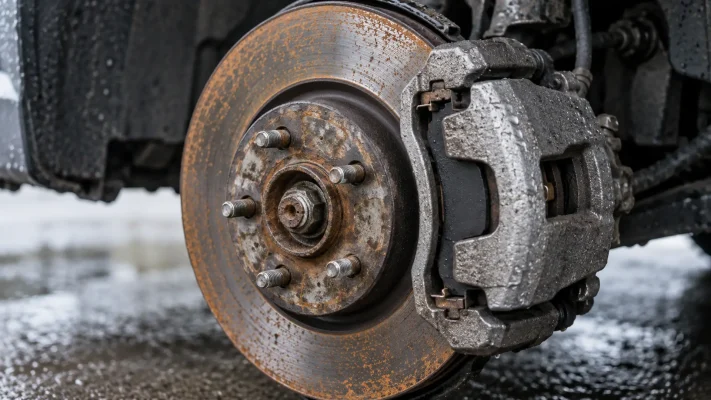
Brakes squeaking in cold weather can be caused by moisture, surface rust, brake pad vibration or worn braking components. A brief squeak during the first few stops after a damp night may be temporary. However, persistent squealing, grinding or changes in braking performance can indicate a problem that needs professional inspection.
For Oakville drivers, brake noises may become more noticeable during the transition from autumn into winter, when cooler temperatures, rain and road moisture affect exposed braking components.
Understanding the differences between common brake sounds can help you decide when to monitor a symptom and when to have your vehicle checked.
Why Do Brakes Squeak More in Cold or Damp Weather?
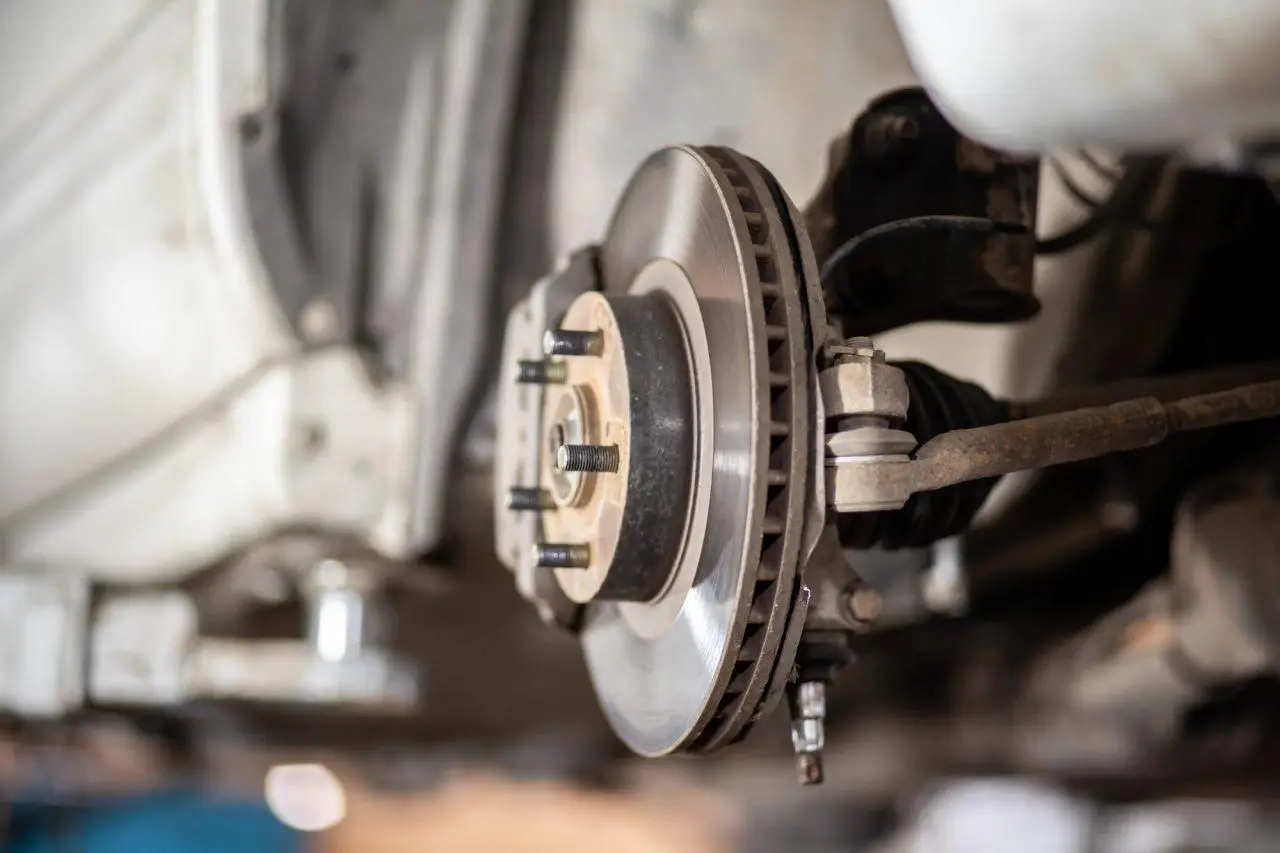
Many vehicles use disc brakes with cast-iron rotors that are exposed to moisture when parked. After rainfall, heavy dew or a damp overnight period, a thin layer of surface rust can form on the rotor.
When the driver first applies the brakes, the friction between the brake pads and rotor may create a squeaking or scraping sound. Normal braking can remove light surface rust from the contact area. If the noise disappears quickly and the brakes feel normal, moisture may have been the cause.
However, cold weather does not explain every brake noise. Brake pad material, rotor condition, caliper hardware and the way components move can also affect the sounds produced during braking. A noise that becomes louder or continues after several stops deserves closer attention.
The Difference Between Brake Squealing, Grinding and Scraping
The type of noise your brakes produce can offer useful clues about the condition of the braking system.
Brake Squealing
Squealing is usually a high-pitched sound that occurs when the brakes are applied.
Possible causes include:
- Light moisture or surface rust
- Worn brake pad friction material
- Brake pad vibration
- Glazed pads or rotors
- Worn or improperly fitted brake hardware
- A brake pad wear indicator contacting the rotor
Some squealing may be brief and harmless, but persistent noise should not be dismissed. Many brake pads include wear indicators designed to produce a warning sound when the friction material becomes thin. An inspection can determine whether the pads are worn or whether another component is causing the noise.
Brake Grinding
Grinding is typically a rougher, harsher sound that may suggest more serious contact between braking components. One possible cause is a brake pad that has worn through its friction material, allowing the metal backing plate to contact the rotor.
This can damage the rotor and reduce braking effectiveness. Grinding can also result from debris trapped near a brake component or from other mechanical problems.
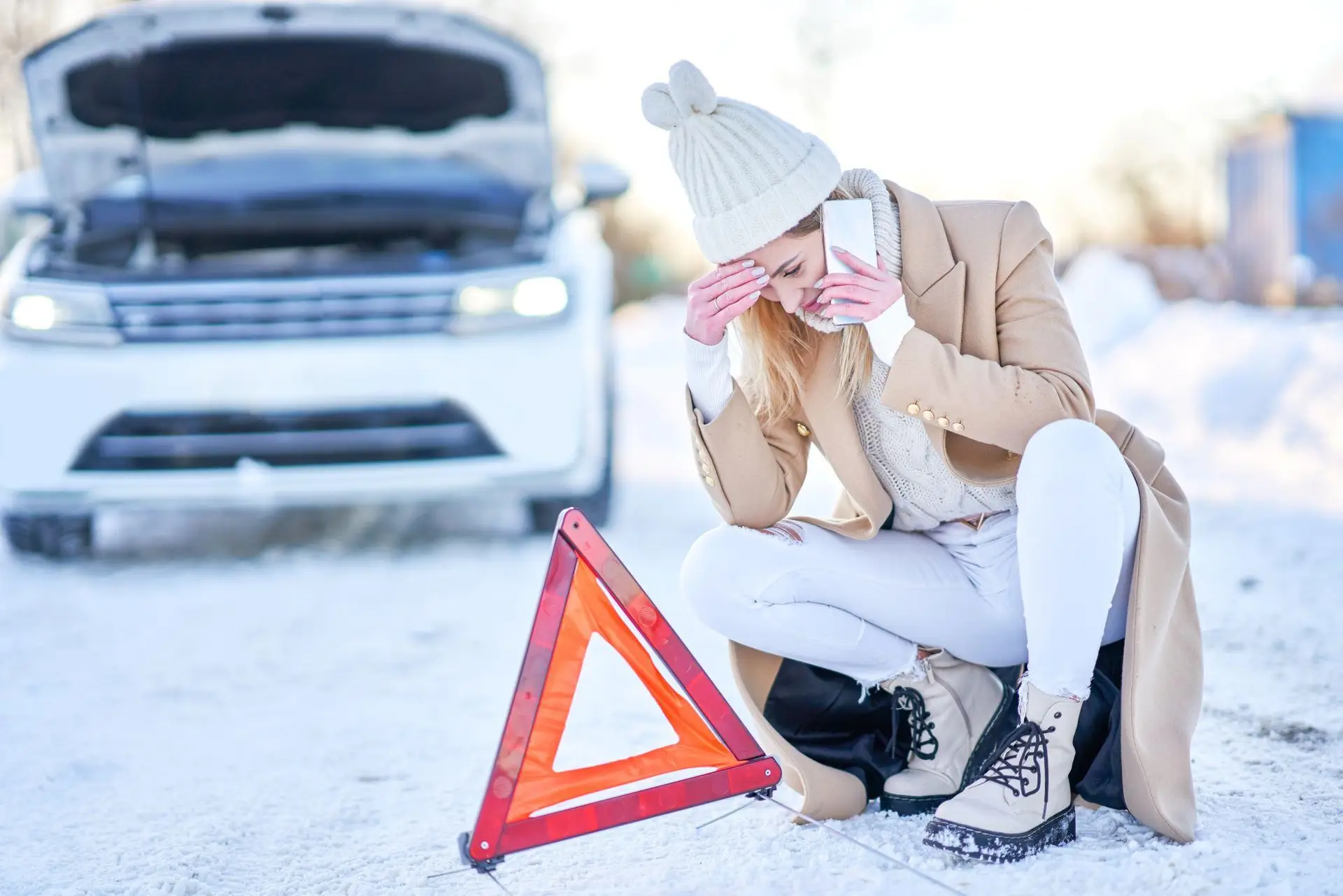
The sound alone is not enough to confirm the cause. If your brakes make a persistent grinding noise, stop driving when it is safe to do so and arrange professional assistance rather than continuing to test them on the road.
Brake Scraping
Scraping may occur when a stone, road debris or another object becomes lodged near the rotor or backing plate. A bent dust shield may also contact the rotor and produce a scraping sound. While some causes are relatively straightforward to repair, others require the wheel and braking components to be inspected.
A scraping noise that continues while the vehicle is moving should not be ignored.
How Moisture and Surface Rust Affect Brake Rotors
A thin layer of rust can develop on exposed iron brake rotors relatively quickly in damp conditions. Drivers sometimes notice a light orange or brown coating on the rotor surface after the vehicle has been parked overnight. This is different from advanced corrosion, deep pitting or damage to the braking surface.
When the brakes are applied, the pads make contact with the rotor and may remove the light surface layer. For this reason, some vehicles squeak during the first few stops after sitting outside in wet weather.
However, several factors can change how the brakes behave:
How long the vehicle has been parked: Vehicles left unused for several days may develop more corrosion than those driven regularly.
The amount of moisture present: Rain, wet roads and repeated condensation can increase surface corrosion.
The condition of the brake components: Older pads, corroded hardware and sticking calipers may make the noise more noticeable or persistent.
Whether the brakes are operating normally: A change in pedal feel, stopping distance or vehicle direction is more significant than the presence of light rust alone.
Surface rust is one possible explanation, but it should never be used to justify overlooking symptoms that suggest a brake problem.
Warning Signs That Your Brake Pads or Rotors May Be Worn
Brake pads gradually wear as their friction material contacts the rotor during braking. Rotors can also develop wear, corrosion, uneven thickness or heat-related damage.
The following symptoms may indicate that a brake inspection is needed.
Persistent Squealing
A high-pitched noise that occurs repeatedly during braking may be associated with worn pads, glazing or hardware problems. If the noise continues after the vehicle has been driven normally, it is less likely to be explained by brief overnight moisture alone.
Grinding When Applying the Brakes
Grinding can indicate metal contact or another mechanical problem. Continuing to drive with damaged brake components may increase repair costs and compromise braking safety.
Vibration Through the Steering Wheel or Brake Pedal
Pulsation during braking can be associated with variation in rotor thickness, uneven friction material deposits or other braking-system concerns. Not every vibration originates from the brakes, so a diagnosis should consider the full set of symptoms.
The Vehicle Pulls to One Side
A vehicle that pulls noticeably during braking may have uneven brake force, a sticking caliper or another steering, suspension or tire-related issue. This symptom deserves prompt evaluation because it can affect vehicle control.
Changes in Brake Pedal Feel
A soft, unusually firm or sinking brake pedal may indicate a hydraulic or mechanical braking problem. If the pedal feels abnormal, a brake warning light appears or stopping performance is reduced, do not continue driving until the vehicle has been assessed and confirmed safe.
Sil’s Auto Care Centre provides professional brake inspection and repair in Oakville to help identify worn or malfunctioning components.
When Is Brake Noise Normal and When Should You Stop Driving?
The timing, duration and accompanying symptoms are often more useful than the noise itself.
| Brake Symptom | What It May Mean | Recommended Response |
| Brief squeaking after a damp night | Light surface rust or moisture | Monitor if it disappears and braking remains normal |
| Persistent high-pitched squealing | Worn pads, glazing or hardware problem | Arrange an inspection |
| Grinding when braking | Possible metal contact or damaged components | Stop safely and arrange assistance |
| Repeated scraping while driving | Debris, shield contact or another mechanical issue | Have the source checked promptly |
| Pulsation while stopping | Rotor variation or another braking issue | Schedule brake diagnostics |
| Weak braking, pulling or abnormal pedal feel | Potential safety-related braking fault | Stop driving and seek professional assistance |
A brief change in brake sound does not always mean that parts need replacing. At the same time, assuming that every cold-weather noise is harmless can allow a genuine mechanical problem to develop. The safest approach is to consider whether the sound is temporary, whether it is worsening and whether the vehicle still brakes normally.
What Happens During a Professional Brake Inspection?
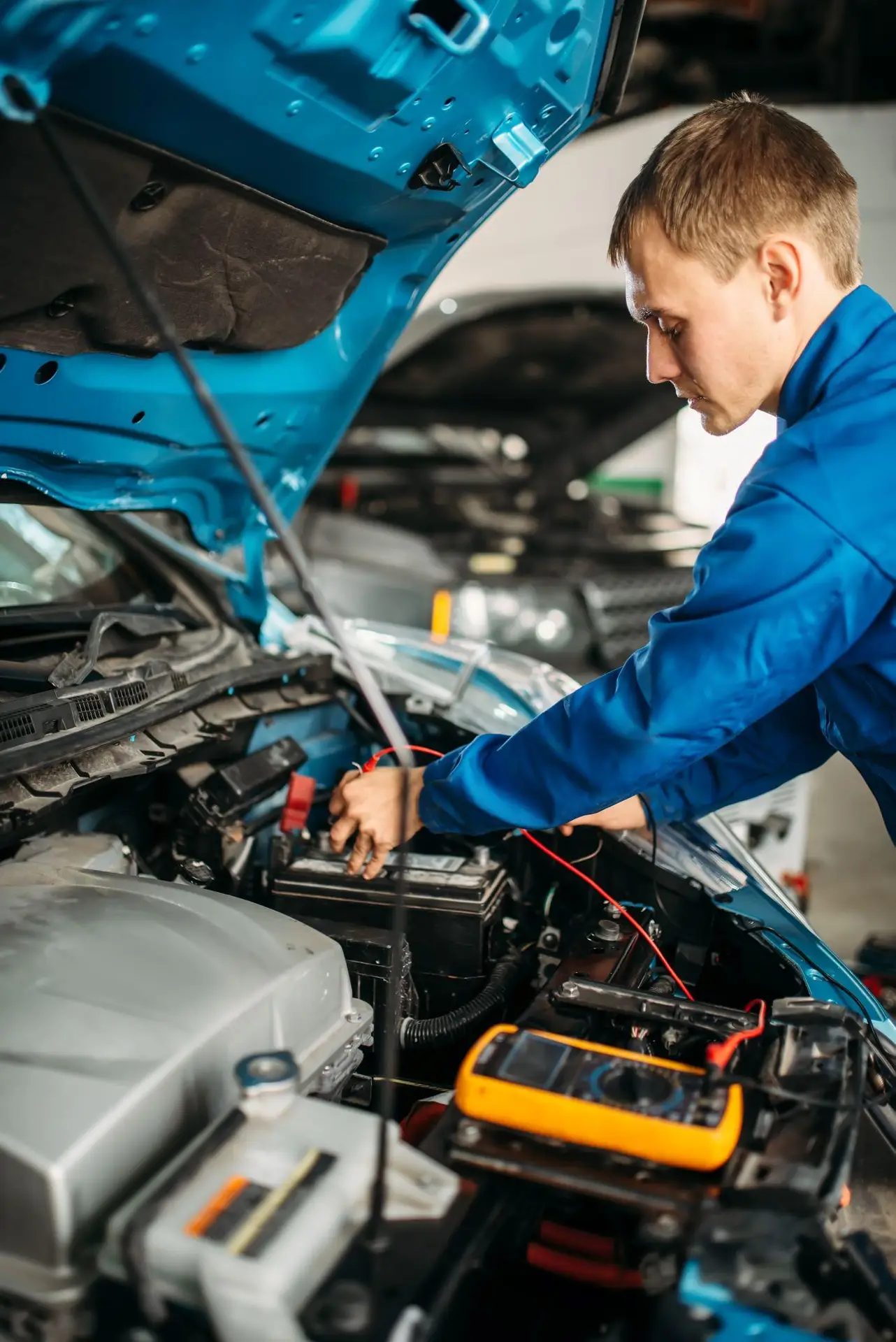
A professional brake inspection should assess the condition and operation of the braking system rather than simply identify which part is making noise.
Depending on the vehicle and symptoms, a technician may examine:
- Brake pad thickness and wear patterns
- Rotor surface condition and measurements
- Caliper operation and slide pins
- Brake hardware and pad movement
- Brake hoses and visible hydraulic components
- Brake fluid condition where relevant
- Signs of corrosion or uneven braking force
Rotor measurements may include thickness and lateral runout when required. A brake noise diagnosis may also involve checking for loose or damaged components and determining whether the reported sound occurs only during braking or while the vehicle is moving.
For unusual noises that are difficult to isolate, car sound diagnosis services can help identify whether the sound is coming from the brakes or another vehicle system.
Does Brake Noise Always Mean the Pads Need Replacing?
No. Brake noise does not automatically mean that replacement pads are required. The cause could involve rotor condition, hardware, debris or a component that is not moving freely. Replacing pads without examining the rest of the system may leave the original problem unresolved.
A thorough inspection helps determine which repairs are necessary and whether other components can continue operating safely.
How Cold Weather and Road Salt Affect Brake Components
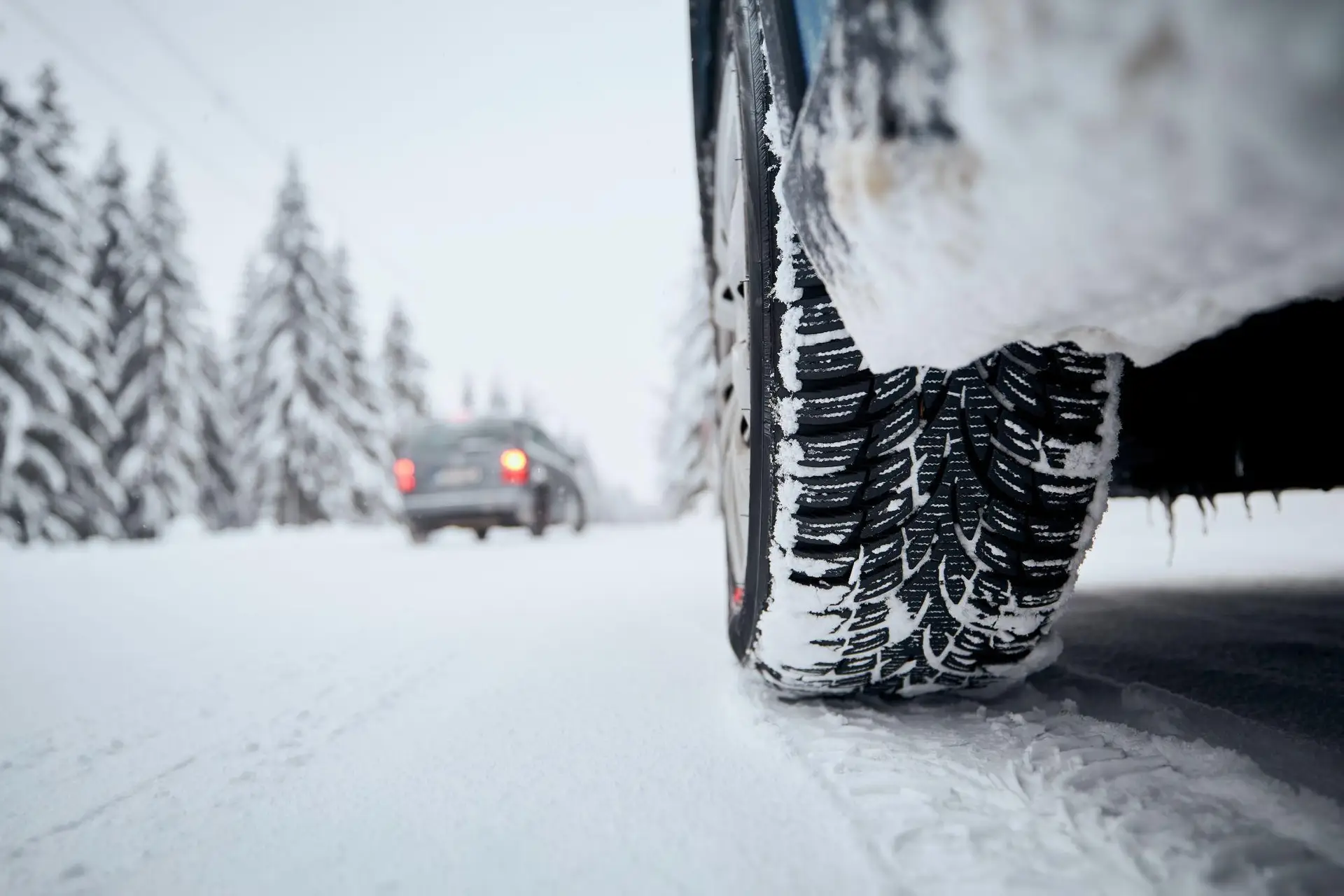
Winter driving creates additional challenges for exposed braking components. In Ontario, roads may be treated with salt or other de-icing materials during freezing conditions. Moisture and road contaminants can contribute to corrosion of brake hardware and metal components.
Over time, corrosion can interfere with the movement of certain parts, including caliper slide pins and pad mounting hardware. Depending on the vehicle, this may contribute to uneven pad wear, dragging brakes or recurring noise.
Vehicles used for short trips may also experience different conditions from vehicles driven regularly over longer distances. For drivers commuting through Oakville, Mississauga and nearby communities, the combination of wet roads, stop-and-go traffic and winter road treatments makes brake condition worth monitoring throughout the season.
It is particularly helpful to mention unusual noises during routine service visits, even if they occur only under specific conditions.
Preparing Your Brakes for Winter Driving in Oakville
Brakes should be inspected based on their condition, symptoms and the vehicle manufacturer’s recommended maintenance schedule. Before winter, drivers can look for several changes in brake performance.
Listen for noises that persist. A brief squeak after rain may have a different cause from a grinding noise that continues during every stop.
Pay attention to braking feel. Changes in stopping performance, pedal resistance or steering behaviour deserve attention.
Avoid postponing inspections when warning signs appear. A worn brake pad can eventually damage a rotor, making the repair more extensive.
Follow recommended maintenance intervals. Brake inspections can identify wear and corrosion before symptoms become severe.
Consider the vehicle’s driving conditions. Frequent short trips, winter road salt and long periods of parking may affect brake components differently.
Seasonal vehicle maintenance should also include tires, steering, suspension, fluids and other systems that affect safe operation.
Sil’s has additional advice in its seasonal vehicle maintenance checklist.
Keeping the braking system in good condition is especially valuable when winter roads become wet, icy or snow-covered and available tire grip is reduced.
Frequently Asked Questions
Is it normal for brakes to squeak when it’s cold outside?
Brief brake squeaking during the first few stops on a cold, damp morning can occur because of moisture or light surface rust. However, a persistent or worsening noise should be inspected because worn pads and mechanical problems can produce similar sounds.
Why do my brakes grind when I first start driving in the morning?
Grinding during the first movement of a vehicle may involve corrosion, debris or contact between braking components. Because grinding can also indicate serious brake wear, a harsh or recurring noise should be assessed rather than assumed to be normal.
Can rust on brake rotors cause squeaking or grinding?
Light surface rust can create temporary noise when the brake pads contact the rotor. Deep corrosion, pitting or uneven braking surfaces may require additional repair, depending on the condition and measurements of the components.
How can I tell if my brake pads need replacing?
Brake pad replacement is determined by the remaining friction material, the manufacturer’s specifications and the condition of the braking system. Noise may be a warning sign, but a physical inspection provides a more reliable assessment of pad wear.
Is it safe to drive if my brakes are making a grinding noise?
Persistent grinding may indicate damage or abnormal contact within the braking system and should be treated as a potential safety concern. Stop safely and arrange professional assistance rather than continuing to drive with an unexplained grinding noise.
Schedule a Brake Inspection in Oakville
If your brakes have started squeaking, grinding or behaving differently as temperatures change, a professional inspection can help identify the cause. Sil’s Auto Care Centre provides brake inspections, maintenance and repair services for drivers in Oakville and surrounding communities.
Contact Sil’s Auto Care Centre to arrange a brake inspection and address unusual braking symptoms before winter conditions become more demanding, or book your appointment online.