A car heater not working properly can result from low engine coolant, a faulty thermostat, a blocked heater core or a problem with the vehicle’s climate-control system. If your windshield also takes too long to defrost, the issue may affect more than cabin comfort. It can reduce your visibility when driving in cold or damp conditions.
For drivers in Oakville, October is a sensible time to identify heating and defrosting problems before overnight temperatures fall further and winter weather arrives. Understanding what causes these problems can help you recognize warning signs, determine which checks are safe to perform and decide when your vehicle needs professional attention.
Why Is Your Car Heater Blowing Cold Air?
Most gasoline and diesel vehicles use heat from the engine to warm the passenger compartment. As the engine runs, coolant absorbs heat and circulates through a small heat exchanger called the heater core.
A blower motor pushes air through or around the heater core. When everything operates correctly, warm air flows through the dashboard vents. If the engine is warm but the vents continue blowing cold air, something may be preventing heat from reaching the heater core or warm air from reaching the cabin.
Low Engine Coolant
Low coolant is one possible reason a heater stops producing warm air. When the coolant level drops, the heater core may not receive enough hot coolant to heat the cabin effectively. In some vehicles, fluctuating cabin heat may be one of the first noticeable symptoms.
Possible signs include:
- The heater produces warm air intermittently.
- The temperature gauge rises unusually high.
- A coolant warning appears on the dashboard.
- There is a sweet smell or visible coolant beneath the vehicle.
Low coolant can indicate a leak in a hose, radiator, water pump or another cooling-system component.
Never remove the radiator cap or open a pressurized coolant reservoir while the engine is hot. Hot coolant can escape and cause serious burns. Adding coolant without identifying the reason for the low level may temporarily hide a larger problem.
A Faulty Thermostat
The thermostat regulates coolant flow as the engine warms to its normal operating temperature. If the thermostat becomes stuck open, coolant may circulate through the radiator too early. The engine can take longer to warm up, particularly in colder weather.
Drivers may notice weak cabin heat, a temperature gauge that remains unusually low or poor heating during shorter trips. A thermostat stuck closed can cause overheating, which requires more urgent attention.
A Blocked or Leaking Heater Core
The heater core is a small radiator located inside the dashboard. Over time, corrosion, deposits or other restrictions in the cooling system can reduce coolant circulation through the heater core. This may cause weak or inconsistent cabin heat.
A leaking heater core may also produce a sweet smell inside the vehicle, unexplained windshield fogging or damp carpeting near the dashboard. Because heater core problems can involve the engine cooling system and components inside the dashboard, proper diagnosis is important before parts are replaced.
Problems With the Blend Door or Climate Controls
A blend door controls how air moves through the vehicle’s heating and cooling system. If the blend door or its actuator fails, the system may direct air around the heater core even when the temperature control is set to warm.
Some vehicles may blow cold air from one side of the dashboard and warm air from the other. Electrical faults, temperature sensors and automatic climate-control systems can also affect heating performance. These issues often require diagnostic testing rather than simply replacing a thermostat or adding coolant.
Why Is Your Windshield Defroster Not Working Properly?
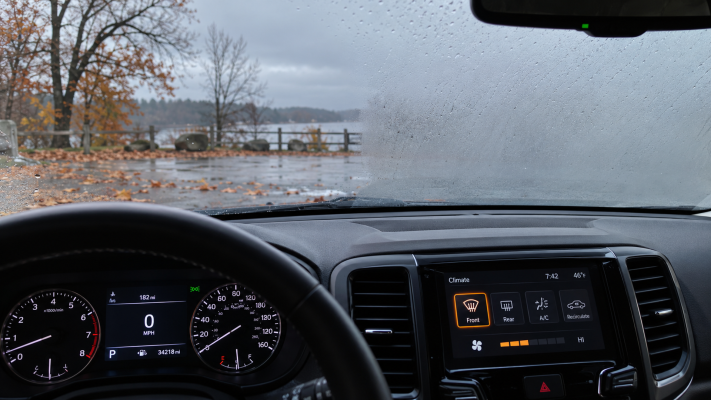
A windshield defroster works by directing air toward the inside surface of the windshield to help remove condensation and improve visibility. If the windshield stays fogged or frosted despite selecting the defrost setting, the cause may involve inadequate heat, weak airflow, excessive cabin moisture or incorrect climate-control operation.
Poor Airflow From the Dashboard Vents
If very little air reaches the windshield, the blower motor, cabin air filter, airflow doors or related electrical components may need attention. A clogged cabin air filter can restrict airflow in some vehicles, especially when the heating or air conditioning system is operating at higher fan speeds.
If the fan makes noise but airflow remains weak, an inspection can help determine whether the restriction is caused by the filter, blower or ducting.
Excess Moisture Inside the Vehicle
Fog develops when moisture in the cabin air condenses on a cooler glass surface.
Common sources of cabin moisture include:
- Wet floor mats and snow-covered footwear
- Damp carpets
- Water entering through damaged door seals
- Blocked drainage passages
- Moisture trapped inside the ventilation system
If the windows repeatedly fog even after the vehicle warms up, check whether the carpeting feels damp or there are signs of water entering the cabin. Persistent moisture can indicate a problem that requires more than changing the temperature setting.
Air Conditioning and Windshield Defrosting
Many drivers associate air conditioning exclusively with summer, but it can also help control moisture inside a vehicle. In many vehicles, the defrost setting uses air conditioning to remove humidity from the incoming air before directing it toward the windshield.
Using the windshield defrost setting, selecting appropriate airflow and avoiding prolonged recirculation can improve clearing performance. Air conditioning may not engage under certain low-temperature conditions, depending on the vehicle’s design.
If the system continues struggling to clear the glass, the vehicle may need an inspection of its heating, ventilation and air conditioning components.
How to Tell Whether the Problem Is Heat, Airflow or Moisture
Several symptoms can help narrow down the possible cause.
| Symptom | Possible Cause | Recommended Action |
| Cold air after the engine warms up | Low coolant, thermostat, heater core or blend door issue | Arrange heating-system diagnostics |
| Very weak airflow from the vents | Cabin filter, blower motor or airflow door problem | Have airflow components inspected |
| Windshield remains fogged despite strong warm airflow | Excess cabin humidity, water intrusion or ineffective dehumidification | Check for moisture and climate-control problems |
| Sweet smell and persistent windshield film | Possible heater core coolant leak | Book a cooling-system inspection |
| Heater produces heat only intermittently | Coolant circulation, trapped air or climate-control fault | Investigate the cause |
| Rising engine temperature and loss of cabin heat | Possible coolant loss or cooling-system failure | Stop safely, turn off the engine and seek assistance |
These symptoms are clues rather than a definitive diagnosis. Different faults can produce similar results.
Sil’s Auto Care Centre offers professional vehicle diagnostics to help identify the underlying cause before repairs are recommended.
Simple Checks Before Booking a Heating System Inspection
A few observations can help you describe the problem accurately when contacting an auto repair shop.
1. Check whether the engine reaches normal operating temperature.
If the temperature gauge remains lower than usual after a normal drive, thermostat operation may need attention.
2. Observe the airflow from each vent.
Switch between the dashboard, floor and windshield settings. Note whether the airflow changes as expected.
3. Check the coolant reservoir only when the engine is completely cold.
If your vehicle has a visible reservoir with minimum and maximum markings, look for a coolant level below the recommended range. Consult the owner’s manual for your model.
4. Check for damp carpets and unusual smells.
Moisture inside the vehicle or a sweet coolant smell may help identify leaks or other heating-system problems.
5. Pay attention to when the symptoms occur.
Does the heater work only at highway speeds? Does it stop producing heat while idling? Do the windows fog every morning?
These details can help a technician diagnose the problem more efficiently. Avoid attempting to repair pressurized cooling-system components or electrical HVAC equipment without the appropriate training and tools.
When Does a Heating or Defrosting Problem Become a Safety Concern?
A malfunctioning heater deserves attention, but a problem affecting windshield visibility or engine temperature can require immediate action. Ontario’s Highway Traffic Act requires drivers to maintain an unobstructed view through the windshield and relevant windows.
If the windshield cannot be cleared sufficiently for safe driving, do not continue driving until visibility has been restored.
More urgent warning signs include:
- A temperature gauge approaching the overheating range
- Steam coming from beneath the hood
- A coolant temperature warning light
- A rapidly decreasing coolant level
- Persistent windshield fogging that blocks the driver’s view
An overheating engine can suffer serious damage if operation continues. If your temperature gauge rises abnormally, find a safe place to stop, shut off the engine and arrange appropriate assistance.
What Happens During a Professional Heating System Diagnosis?
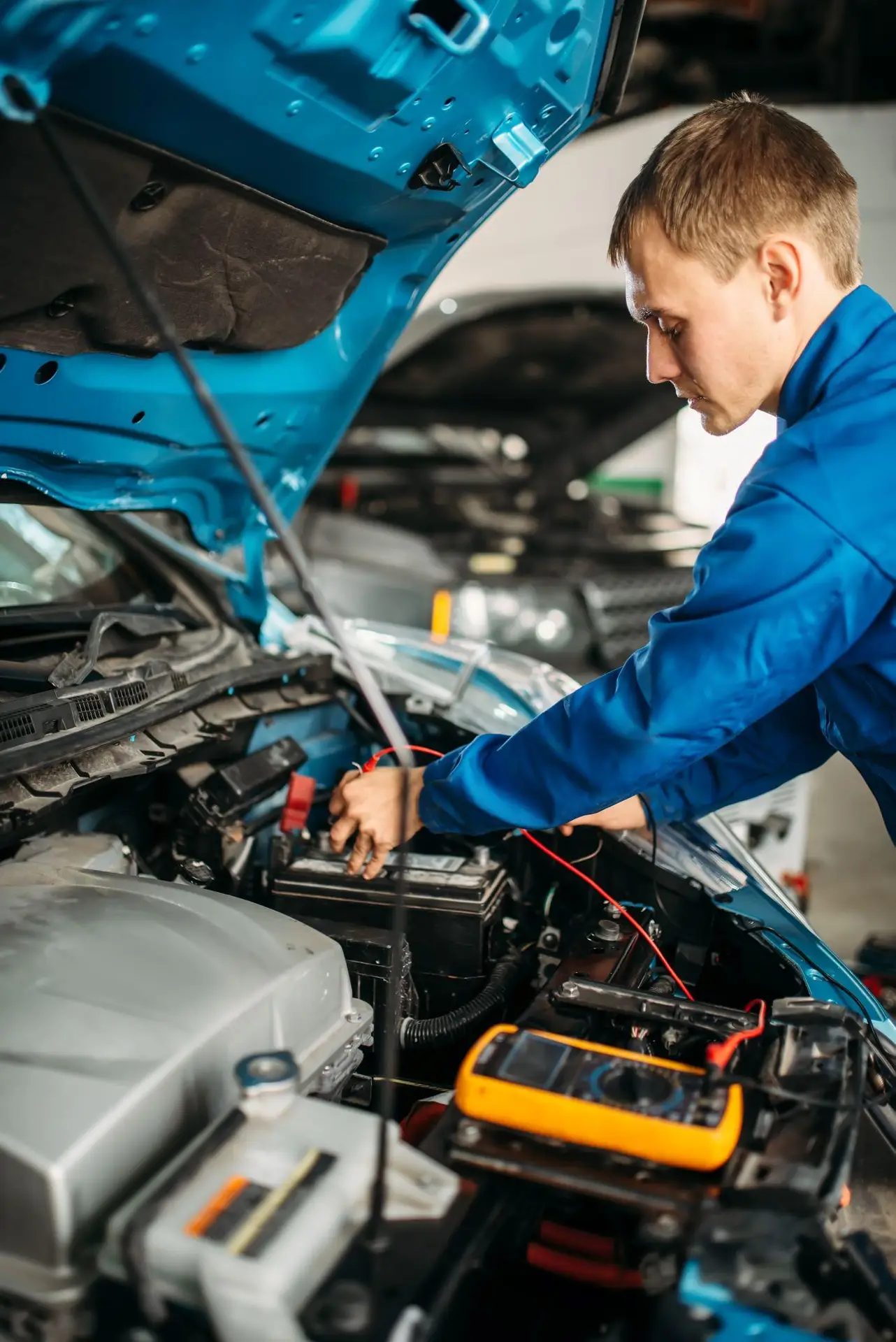
Diagnosing a vehicle heating problem begins with confirming the reported symptoms. A technician may inspect coolant levels and condition, check for visible leaks and verify whether the engine reaches its normal operating temperature.
Depending on the findings, further testing may include:
- Cooling-system pressure testing
- Thermostat operation and coolant temperature checks
- Heater core circulation and temperature testing
- Blower motor and electrical circuit inspection
- Blend door actuator and climate-control diagnosis
- Cabin air filter and windshield airflow inspection
The necessary repair depends on the actual fault. A low coolant level caused by a leaking hose requires a different repair from a faulty blend door actuator or restricted heater core. A proper diagnostic process helps avoid replacing components that are functioning correctly.
For more extensive concerns, Sil’s also provides car repair and maintenance services to address mechanical issues identified during inspection.
Preparing Your Vehicle’s Heating System for Oakville Winter Driving
Cold mornings, wet autumn roads and winter precipitation place greater demands on a vehicle’s heating and defrosting systems. Drivers commuting through Oakville, Clarkson and nearby Mississauga may encounter significant temperature changes between early morning and afternoon travel.
Before winter arrives, consider checking:
- Whether the heater warms the cabin consistently
- Whether the windshield defroster clears condensation effectively
- Whether airflow changes correctly between vent settings
- Whether there are any visible coolant leaks
- Whether the cabin air filter is due for inspection or replacement
Heating and defrosting systems are just one part of seasonal vehicle preparation. Addressing a small problem in October may help prevent an uncomfortable or unsafe situation during a colder morning commute.
Frequently Asked Questions
Why is my car heater blowing cold air even after the engine warms up?
A heater that blows cold air after the engine reaches normal temperature may have a coolant circulation problem or a fault in the HVAC air-mixing system. A technician can distinguish between coolant-related problems and components such as the heater core or blend door.
Can low coolant cause my windshield defroster to stop working?
Low coolant can reduce the heat available to a coolant-based cabin heater, which may make windshield defrosting less effective. However, weak airflow, excessive cabin moisture or air conditioning problems can also interfere with defrosting.
Should I use air conditioning to defog my windshield in winter?
Air conditioning can help remove moisture from cabin air, making windshield defogging more effective in many vehicles. Use the manufacturer’s recommended defrost settings because compressor operation and automatic climate-control behaviour vary by model and outside temperature.
Why does my windshield keep fogging up on the inside?
Repeated interior windshield fogging usually indicates that moisture is accumulating inside the vehicle or is not being removed effectively. Wet carpets, water intrusion and ventilation problems are possible causes, particularly if the fogging returns after the windows have been cleared.
Is it safe to drive if my windshield defroster is not working?
Driving with an obstructed windshield is unsafe and may violate Ontario visibility requirements. If you cannot maintain a clear view of the road, stop in a safe location and resolve the visibility problem before continuing.
Schedule a Heating System Inspection in Oakville
If your car heater is not working, your windshield takes too long to clear or you have noticed unusual coolant or temperature warnings, identifying the cause before winter is a sensible next step. Sil’s Auto Care Centre provides automotive diagnostic and repair services for drivers in Oakville and surrounding communities.
Contact Sil’s Auto Care Centre to schedule an inspection and have the heating or defrosting problem evaluated or book your appointment online.