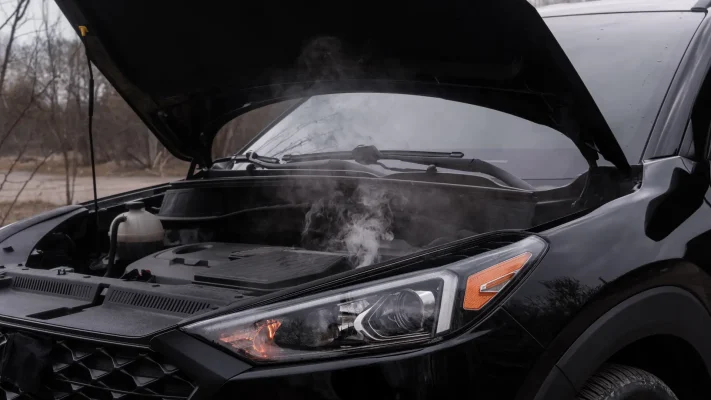
A car overheating can turn a normal drive into a stressful situation very quickly. You may notice the temperature gauge moving into the red zone, a dashboard warning light, steam near the hood or a sweet smell coming from the engine compartment.
Whatever the first sign may be, do not ignore it. An overheating engine can suffer serious damage if it continues running at an unsafe temperature. Knowing what to do next can help protect the engine and keep you out of a dangerous roadside situation.
What Should You Do When Your Car Starts Overheating?
Pull over safely and turn off the engine as soon as conditions allow. Continuing to drive can turn a cooling system problem into damaged cylinder heads, a failed head gasket or even complete engine failure.
If you are caught in traffic and cannot stop immediately, turn off the air conditioning. Switching the cabin heater to its highest setting may temporarily draw some heat away from the engine, but this is only a short-term measure to help you reach a safe stopping point.
Once parked, switch on your hazard lights and let the engine cool. Do not open the radiator cap or pressurized coolant reservoir while the engine is hot. Hot coolant can spray out under pressure and cause severe burns.
A vehicle that has overheated should be inspected before being driven again, especially if steam appeared, coolant leaked onto the ground or the temperature warning returned after the engine cooled.
Common Causes of Car Overheating
Car overheating is usually caused by a problem that prevents the cooling system from absorbing, circulating or releasing engine heat. Some causes are simple to correct, while others require testing to identify.
Low Coolant or a Coolant Leak
The cooling system needs the correct amount of coolant to regulate engine temperature. Low coolant may result from a leaking radiator, hose, water pump, reservoir, gasket or connection.
A small leak may leave only a few drops under the vehicle. Other leaks appear only when the system becomes hot and pressurized. This is one reason that topping up the reservoir does not always solve the underlying problem.
A Faulty Thermostat
The thermostat controls when coolant begins flowing through the radiator. If it becomes stuck closed, coolant cannot circulate properly and the engine temperature may rise quickly. A thermostat can also operate inconsistently. The engine may run normally during one trip and overheat during the next, making proper diagnosis important.
Radiator or Cooling Fan Problems
The radiator releases heat from the coolant before it returns to the engine. Restricted internal passages, damaged fins or poor airflow can reduce its ability to cool the fluid.
Electric cooling fans are especially important when the vehicle is stopped or moving slowly. A faulty fan motor, relay, fuse, temperature sensor or control module can cause the temperature to climb in traffic while appearing normal at highway speed.
Water Pump Failure
The water pump circulates coolant through the engine, radiator and heater core. A worn or damaged pump may leak, make noise or fail to move enough coolant.
Some water pumps can fail internally without creating an obvious external leak. A technician may need to inspect coolant circulation, system pressure and operating temperature to confirm the cause.
Belt or Hose Damage
A loose or broken drive belt may prevent a mechanically driven water pump from working. Cracked, swollen or collapsed coolant hoses can also restrict circulation or allow coolant to escape.
Belts and hoses often show signs of age before they fail. Including them in regular car repair and maintenance in Oakville can help identify deterioration early.
Why Does a Car Overheat in Traffic but Not on the Highway?
A car that overheats while idling but cools down once it starts moving often has an airflow problem. At highway speed, air naturally passes through the radiator. In slow traffic, the cooling fan must provide that airflow.
This pattern may point to a failed cooling fan, fan relay, electrical connection or temperature sensor. Low coolant, a restricted radiator and other cooling system faults can produce similar symptoms, so the driving pattern is useful diagnostic information rather than a final diagnosis.
Let the technician know whether the temperature rises at idle, while climbing hills, when using the air conditioning or only after extended driving. Those details can help narrow down the cause.
Can You Drive an Overheating Car?
You should not continue driving a vehicle that is actively overheating. Even a short distance can cause expensive engine damage if the temperature is already dangerously high.
The safest choice is to stop, allow the engine to cool and arrange roadside assistance when necessary. Do not assume the problem is resolved because the temperature briefly returns to normal.
You should also schedule warning light diagnostics in Oakville when a temperature, coolant or check-engine warning appears. A warning light may identify a problem before steam or a complete breakdown occurs.
How Is an Overheating Problem Diagnosed?
A proper diagnosis looks for the reason the engine cannot maintain its correct operating temperature. It should not begin with replacing parts based only on a symptom.
The inspection may include checking the coolant level and condition, examining hoses and connections, testing the cooling system for pressure loss and confirming that the thermostat and cooling fans operate correctly. The technician may also inspect the radiator, water pump, drive belt and engine for evidence of leakage or internal damage.
Computer testing may be needed when sensors, fan controls or stored fault codes are involved. Sil’s provides vehicle diagnostic services to help identify the cause before recommending repairs.
A digital vehicle inspection can also document visible concerns and provide a clearer picture of the vehicle’s overall condition.
How Can You Reduce the Risk of Overheating?
Cooling system maintenance is the best place to start. Coolant becomes contaminated and loses some of its protective qualities over time, so it should be inspected and serviced according to the vehicle manufacturer’s recommendations.
Drivers should also pay attention to small changes. A sweet smell, a dropping coolant level, stains beneath the vehicle, inconsistent cabin heat or a temperature gauge that sits higher than usual may signal a developing problem.
Before summer travel, have the battery, belts, hoses, fluids and cooling system checked. Heat, highway driving and stop-and-go traffic can expose weaknesses that were less noticeable during cooler weather.
Have an Overheating Vehicle Properly Inspected
An overheating engine is a warning that something in the cooling system or engine is not working as intended. Adding coolant may help in an emergency, but it does not explain why the coolant was low or why the engine became too hot.
Sil’s Auto Care Centre can inspect the system, identify the cause and explain the available repair options. If your temperature gauge is rising, coolant is leaking or the warning light has appeared, schedule an inspection before the problem causes further damage.
Frequently Asked Questions
No. Opening a pressurized cooling system while it is hot can release boiling coolant and steam. Wait until the engine has cooled completely and follow the instructions in your owner’s manual.
A full reservoir does not rule out a thermostat problem, failed cooling fan, blocked radiator, weak water pump or trapped air in the system. The coolant may also not be circulating correctly even though the visible level appears normal.
Air conditioning increases the load on the engine and produces additional heat near the radiator. A properly functioning cooling system can handle that load, so overheating with the air conditioning on may reveal an existing fan, airflow or cooling system problem.
There is no safe universal waiting time because cooling depends on the vehicle, weather and severity of the problem. Wait until the engine is completely cool, and never rely only on the dashboard gauge before opening a pressurized cap.
Yes. Low coolant can allow engine temperatures to rise and may lead to warped components, head-gasket failure or internal engine damage. If the coolant level keeps dropping, have the system checked for a leak rather than repeatedly topping it up.