
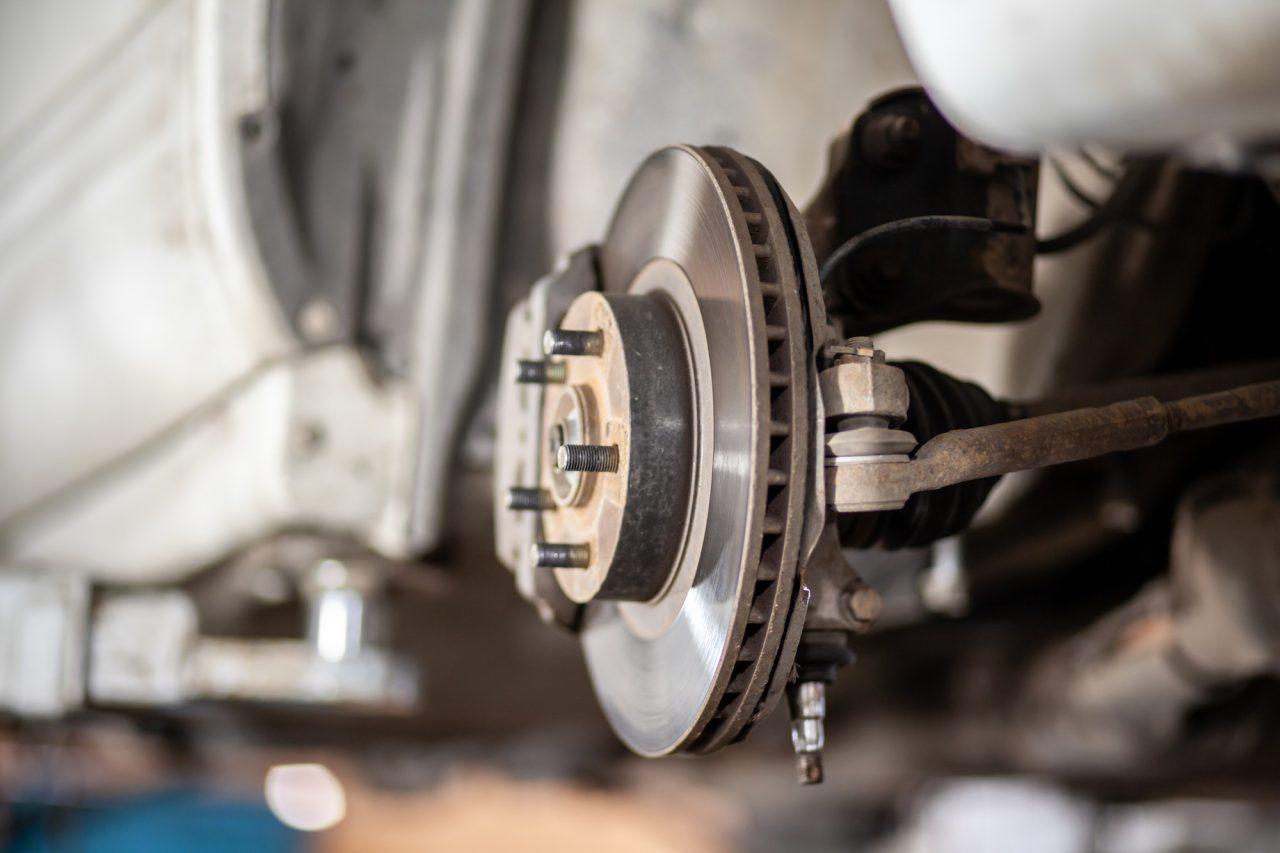
Brake Tips
Cheap Brake Jobs vs Quality Brake Service in Oakville
Cheap brake repairs are a growing issue in the auto service industry. Here’s how you can protect yourself.
Home > EV Service in Oakville, ON
Electric vehicles have developed significantly during the past ten years. What was once a novel and odd form of technology is now a well-liked, well-known, and innovative mode of transportation that may help address the persistent problems with the climate and open the door to a greener, more sustainable way of life.
Electric vehicles now offer substantially better technology, are more reasonably priced, and are the most financially sensible choice in some situations. To know more about EV vehicles and services, read this blog until the end.
The abbreviation “EV” stands for an electric vehicle. EVs are automobiles that run entirely or mostly on electricity.
Electric vehicles are particularly environmentally friendly because they consume little to no fossil fuels, have fewer moving components that need to be maintained, and have minimal operating expenses (petrol or diesel). While some electric cars (EVs) employ lead acid or nickel metal hydride batteries, lithium-ion batteries are now considered the industry standard for battery electric vehicles due to their longer lifespan, excellent energy retention, and self-discharge rate of only 5% per month.
BEV is the full form of a battery electric vehicle and compared to an internal combustion engine, battery-powered electric vehicles have approximately 99% fewer moving parts that need maintenance.
In other words, battery electric vehicles, often known as BEVs or more commonly referred to as EVs, are entirely electric vehicles without a gasoline engine. The battery pack, which is recharged from the grid, provides the energy needed to power the vehicle. BEVs are considered “zero emissions” vehicles since they don’t produce any air pollution hazards or toxic exhaust emissions from conventional gasoline-powered vehicles.
Benefits of BEVs
Example BEVs on the market
PHEVs, or plug-in hybrid electric vehicles, have an engine and an electric motor to power the vehicle. They can use regenerative braking to replenish their battery like conventional hybrids.
They are different from conventional hybrids because they have considerably bigger batteries and can plug into the grid to recharge. Whereas standard hybrids can go 1-2 miles (at low speed) before the gasoline engine fires up, PHEVs have a range of 10 to 40 miles before their gas engines kick in. After exhausting their all-electric range, PHEVs function as ordinary hybrids and can go several hundred miles on a gasoline tank.
Example PHEVs on the market
An electric vehicle (EV) ‘s maintenance schedule is generally less intensive than a traditional gasoline-powered vehicle. The frequency and type of maintenance required for an EV depends on the make and model of the vehicle, as well as the driving conditions and usage patterns.
Some common maintenance tasks for an EV include regular tire rotations, brake inspections, and replacing cabin air filters. It is also recommended to have the battery system checked periodically to ensure it functions correctly and monitor its capacity over time.
Additionally, it is important to keep the charging system clean and free from debris or damage. The manufacturer’s guidelines should be followed to ensure that the EV is properly maintained and operating safely.
Overall, regular maintenance is essential for ensuring the longevity and optimal performance of an EV.
Electric vehicles may have fewer traditional drivetrain parts, but they still rely on the same fundamentals that keep any vehicle safe and predictable: strong tires, healthy brakes, stable suspension, and accurate diagnostics. Whether you drive a full battery EV (BEV) or a plug-in hybrid (PHEV), our team can help you stay ahead of wear, warning lights, and the little issues that become expensive when ignored.
Common EV and PHEV services we can help with include:
Looking for reliable auto repair or EV services in Oakville, ON? Look no further than Sil’s Auto Care Centre. With over four decades of experience providing excellent customer care and expert auto repair services, we have built a loyal customer base since 1976.
Our team of qualified and professional auto technicians, along with experienced service consultants, ensure that your vehicle is in good hands. We are committed to providing top-notch services by staying up-to-date with the latest methods and technologies for auto maintenance and repair through ongoing training for our technicians.
Don’t hesitate to book an appointment with us for all your auto repair or EV service needs in Oakville, ON. Book Now today to schedule an appointment and experience the Sil’s Auto Care Centre difference!
EVs are quiet, powerful, and often heavier than comparable gas vehicles. That combination changes how tires behave and how quickly they wear. Many tire manufacturers now design EV-focused options with three priorities in mind: low rolling resistance to help support range, stronger construction to handle weight and torque, and reduced road noise for a calmer cabin.
If you’re replacing tires on an EV, it’s also important to match the correct load rating, speed rating, and original equipment fitment whenever possible. We can help you choose the right tire for how and where you drive in Oakville, then keep them wearing evenly with proper inflation, rotations, and alignment checks.
Battery-electric vehicles do not use engine oil the way gas vehicles do. Plug-in hybrids often do still require oil changes because they have a gasoline engine that runs part of the time.
Many EVs benefit from more frequent tire rotations because of higher torque and vehicle weight. A good rule is to follow your manufacturer’s interval and rotate sooner if you notice uneven wear.
They can. Instant torque and battery weight can increase wear, which is why pressure checks, rotations, and alignment matter so much.
Because EVs are quiet, tire and road noise can seem more noticeable. Tire choice, tread design, inflation pressure, and road surface all play a role.
Often they can, thanks to regenerative braking. But brakes still need regular inspections, and in some cases they can develop rust or uneven operation if they aren’t used as much.
Typically: a visual inspection, diagnostic scan as needed, tire and brake checks, and a review of anything affecting ride quality, safety, or efficiency.
Yes. We can recommend tires that match your vehicle’s specifications and your priorities (range, comfort, all-season traction, winter performance, and cabin quiet).
Preventive maintenance is the easiest way to protect range, reduce tire wear, and avoid surprise warning lights. Even if your EV feels “fine,” small changes in tire pressure, alignment, or brake condition can quietly reduce efficiency and comfort over time.
Cheap brake repairs are a growing issue in the auto service industry. Here’s how you can protect yourself.

When was the last time you got an oil change?
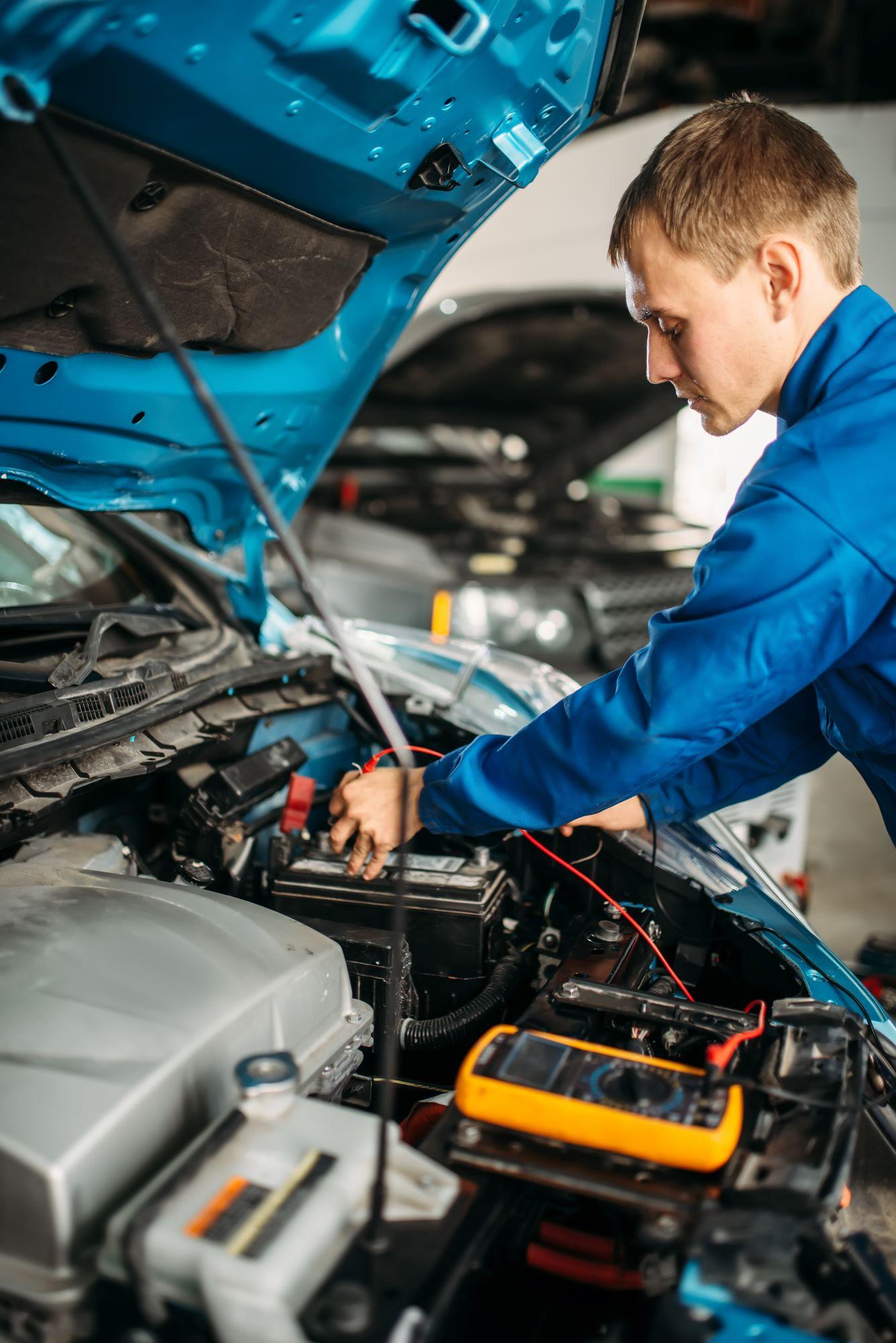
On average, most car batteries last two to five years. Keep your battery running longer by following these 5 tips.

Winter Tires can be the difference between making it out of your neighbourhood and working from home.