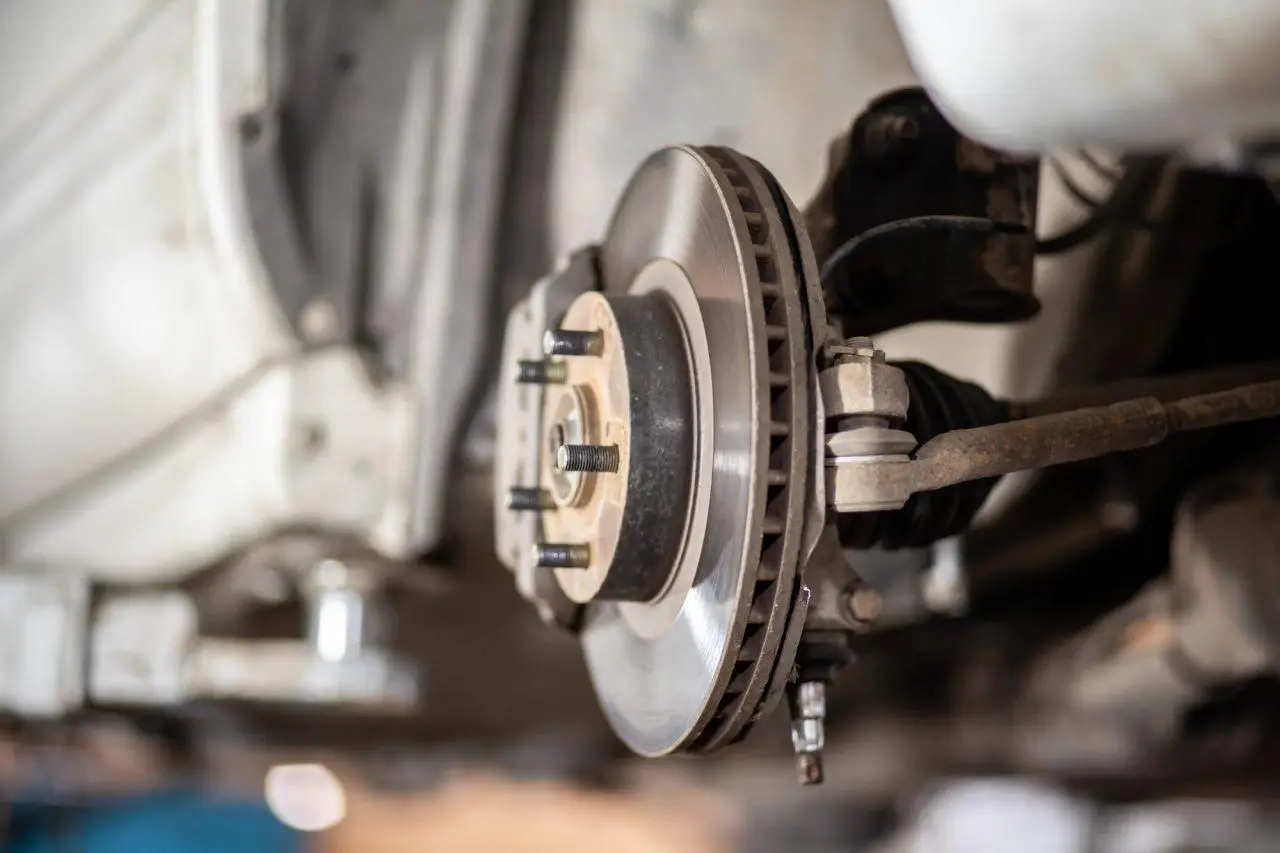
If your steering wheel shakes at highway speeds, the cause is often connected to the tires or wheel balance, but it can also come from a damaged wheel, worn steering or suspension parts, or a brake problem that appears when you slow down. The timing of the vibration matters. A shake that begins while cruising points technicians in a different direction than a shake that appears mainly when you press the brake pedal.
For Oakville drivers, this can become especially noticeable during longer highway drives. A vehicle may feel normal during lower-speed neighbourhood driving, then develop a clear vibration once the wheels are spinning faster. Because the same shake can come from several systems, diagnosis should come before parts replacement.
Why Does a Steering Wheel Shake More at Highway Speeds?
A speed-related vibration can become easier to feel as the wheel and tire assembly rotates faster. An out-of-balance tire and wheel assembly is one of the first things worth checking when the vibration is most obvious at highway speed.
Transport Canada notes that out-of-balance wheels can create pounding or shaking through the steering wheel or seat. Michelin also identifies tire imbalance as a possible cause of vibration and recommends checking alignment or suspension components if balancing does not correct the problem.
The most useful clue is when the vibration happens:
- only at a certain speed range
- during braking
- after hitting a pothole or curb
- while turning
- after new tires or a seasonal tire change
- together with pulling, clunking, humming, or uneven tire wear
Those details can shorten the diagnostic process because they help separate a rotating tire or wheel issue from a braking, steering, or suspension concern.
Steering Wheel Shakes While Cruising: Start With the Tires and Wheels
If the steering wheel is smooth around town but starts vibrating once you reach highway speed, the tires and wheels are a logical first inspection point. An imbalance means the weight of the tire and wheel assembly is not distributed evenly as it rotates. SILS Auto also identifies vibration as one of the problems an unbalanced wheel can cause.
During a professional tire balancing and tire service appointment, the wheel and tire assembly can be mounted on balancing equipment to identify where corrective wheel weights are needed. The technician should also look beyond balance itself. A tire with irregular wear, visible damage, or a wheel that is bent may create a vibration that adding weights alone will not solve.
This distinction matters after a hard pothole strike. A wheel can be out of balance, damaged, or both. If the vibration appeared immediately after an impact, tell the technician when it began rather than simply requesting a balance.
Tire pressure and tread condition should be checked as well. Incorrect pressure or uneven wear may change how the vehicle feels, while unusual tread patterns can point to a separate alignment or suspension issue that also needs attention. Transport Canada recommends checking tires for damage and excessive or uneven wear and having suspected tire problems professionally inspected.
Can Wheel Alignment Make the Steering Wheel Shake?
Poor alignment is more commonly associated with pulling, an off-centre steering wheel, or uneven tire wear than with a vibration that appears only at one highway speed. That is why balancing and alignment should not be treated as the same service.
Sils Auto explains the same distinction on its tire service page. Wheel balancing corrects uneven weight distribution in the wheel and tire assembly, while alignment involves adjusting steering and suspension angles. If the vehicle is pulling, the steering wheel no longer sits centred, or the tires show uneven wear, a wheel alignment inspection may be part of the diagnosis.
Alignment can also matter after a pothole or curb strike. Even when it is not the direct source of the shake, incorrect alignment can contribute to abnormal tire wear and handling concerns.
Steering Wheel Shakes When Braking: Look at the Brake System
A steering wheel that is steady while cruising but shakes or pulses when you apply the brakes points to a different part of the vehicle. Brake rotors, pads, calipers, wheel hubs, and related components may need to be inspected.
Sils Auto lists a vibrating steering wheel, pulling while braking, unusual brake noises, and changes in stopping performance among signs that brake service may be required.
A proper inspection should confirm the cause rather than assuming every braking vibration means the rotors automatically need replacement. Several brake and front-end components can affect what the driver feels through the steering wheel.
If the vibration is accompanied by a pulsing brake pedal, pulling under braking, grinding, or reduced braking confidence, have the brake system inspected promptly. Those symptoms may indicate a braking or control problem, so they warrant prompt inspection.
Worn Steering or Suspension Parts Can Also Cause Vibration
Steering and suspension components keep the wheels controlled as the vehicle travels over bumps, changes direction, and transfers weight. Wear in parts such as tie rods, ball joints, control-arm bushings, shocks, or struts can contribute to looseness, vibration, noise, or unstable handling.
Sils Auto specifically services shocks, struts, control arms, ball joints, bushings, tie rods, and other steering and suspension components.
This is especially worth investigating if the steering wheel shake is accompanied by clunking over bumps, wandering, looseness in the steering, abnormal tire wear, or a vehicle that feels unsettled during lane changes. A steering and suspension inspection can identify worn or damaged components that affect stability, control, and ride quality.
Mention any humming, growling, clunking, or other noise when booking the appointment. The type of noise and when it occurs can provide another useful diagnostic clue.
Is It Safe to Keep Driving With a Shaking Steering Wheel?
A mild vibration does not tell you how serious the underlying problem is. Some causes may be straightforward, such as a wheel that needs balancing, while others involve tires, brakes, or steering and suspension components that affect control.
Reduce speed and arrange an inspection if the vibration is new or getting worse. Stop driving and seek assistance if the shaking becomes severe, the vehicle feels difficult to control, a tire is visibly damaged, the steering suddenly feels loose, or braking performance has changed significantly.
Do not rely on the steering wheel alone to decide whether the vehicle is safe. A tire inspection and mechanical diagnosis provide much better information than continuing to drive until the vibration becomes stronger.
How a Technician Diagnoses Highway-Speed Vibration
A useful diagnosis works from the symptom outward instead of replacing the most obvious part first. Depending on what you report and what the road test reveals, the process may include:
- confirming when the vibration starts and whether it changes with speed, braking, or turning
- checking tire pressure, tread wear, tire damage, and wheel condition
- checking wheel balance and wheel or tire runout
- inspecting steering and suspension components for wear or looseness
- checking alignment when pulling, an off-centre steering wheel, impact history, or abnormal wear is present
- inspecting the brake system when the shake occurs during braking
This approach reflects the fact that balancing, alignment, braking, and steering or suspension address different mechanical conditions. SILS Auto provides each of these diagnostic and repair services at its Oakville shop.
A vehicle can also have more than one problem at the same time. An imbalanced wheel, for example, does not rule out worn suspension components or abnormal tire wear.
Before your appointment, make a note of the speed at which the vibration begins, whether it is felt mostly in the steering wheel or through the seat and floor, and whether braking changes it. Those observations give the technician much more useful information than simply saying the car “shakes.”
Get the Cause Confirmed Before Replacing Parts
A steering wheel vibration is a symptom, not a diagnosis. Tire balance, wheel damage, alignment concerns, brake issues, and worn steering or suspension parts require different repairs, so the most useful first step is identifying which system is actually responsible.
If your vehicle has developed a new highway-speed vibration, SILS Auto Care Centre can inspect the relevant tire, wheel, brake, steering, and suspension components and explain what the testing shows. SILS emphasizes inspections and clear repair recommendations across these service areas.
The goal is to correct the cause of the shake rather than replace parts by trial and error.
Frequently Asked Questions
Why does my steering wheel shake only at highway speeds?
A steering wheel that shakes mainly at highway speeds often points to a tire or wheel issue, especially wheel imbalance, but the cause should still be confirmed. Tire damage, a bent wheel, worn steering or suspension parts, and other rotating components can produce similar symptoms.
Is steering wheel vibration caused by wheel alignment or tire balancing?
Speed-specific vibration is more commonly associated with wheel or tire balance than alignment. Alignment problems more often cause pulling, an off-centre steering wheel, and uneven tire wear, although both conditions can exist at the same time.
Why does my steering wheel shake when I brake at highway speed?
A shake that appears mainly when braking can indicate a brake-system issue that needs inspection. The technician may check rotors, pads, calipers, hubs, and related components rather than assuming one part is automatically responsible.
Can a damaged tire or bent wheel cause steering wheel vibration?
Yes. Tire damage, uneven wear, or a damaged wheel can create vibration that becomes more noticeable as speed increases. A visual inspection and wheel check can determine whether balancing alone will solve the problem.
Should I drive if my steering wheel is shaking?
A new or worsening steering wheel shake should be inspected because the severity of the vibration does not always reveal the seriousness of the cause. If the vehicle becomes difficult to control, the steering feels loose, a tire is damaged, or braking is affected, stop driving and arrange assistance.