A Brake Safety Guide from Sil’s Auto Care Centre (Oakville)
When you hit the brake pedal, you should feel certainty, not hope. Your braking system is one of the most important safety features on your vehicle, and it is not the place for quick fixes or mystery parts. A bargain brake quote can look great on paper, but the shortcuts behind it often show up later as squeaks, vibrations, uneven wear, longer stopping distances, and repeat repairs that end up costing more.
Why “cheap” brake jobs usually cost more in the long run
1) Low-grade pads that do not handle heat well
Inexpensive friction material can fade under heat, glaze over, and create excessive dust. That often leads to noisy braking, inconsistent feel, and uneven wear that can chew through rotors faster than it should.
2) Worn hardware reused to save time
Brake shims, clips, slide pins, and boots are small parts that make a big difference. When tired hardware is reused, calipers can stick, pads can drag, and wear becomes uneven. That is when customers come back a few weeks later wondering why the same problem returned.
3) Rotors are not properly inspected and measured
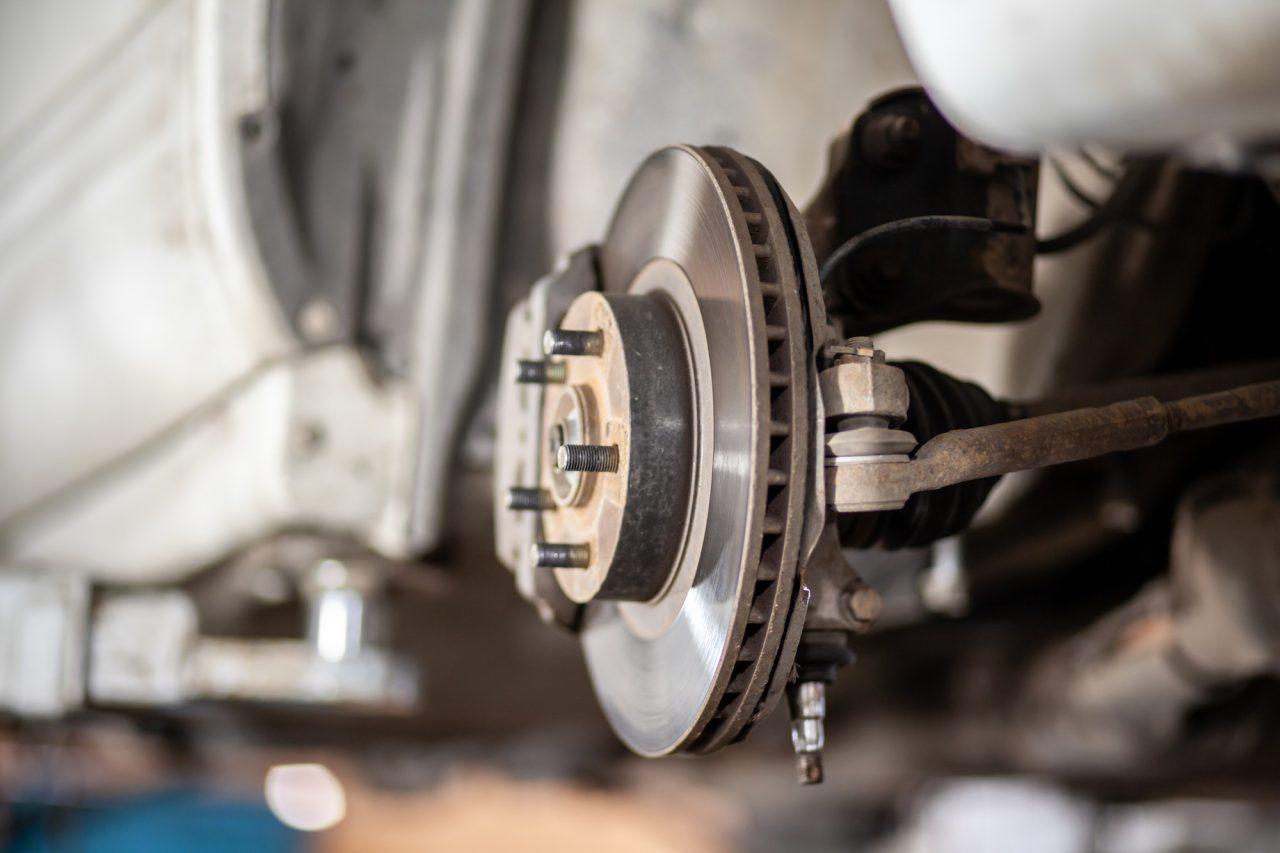
Rotors have minimum thickness requirements and must be within spec for runout. If no one measures or corrects issues, you can end up with pedal pulsation, steering wheel shake, or braking that feels rough and inconsistent.
4) Brake fluid gets ignored
Brake fluid absorbs moisture over time. That lowers its boiling point and can contribute to corrosion inside the system. Skipping fluid testing or service is one of the easiest ways to turn a simple brake job into a much bigger repair down the road.
5) No road test and no proper bedding-in
New pads and rotors need a correct bedding procedure so the friction material transfers evenly. When that step is skipped, you are far more likely to experience noise, vibration, and reduced performance.
6) Vague quotes with vague warranties
If a shop cannot clearly explain what parts are being installed, what is being serviced, and what is covered afterward, take that as a warning sign. Transparency matters, especially for safety work.
What a quality brake service looks like at Sil’s Auto Care Centre
At Sil’s Auto Care Centre, we focus on doing brake work the right way, with clear documentation and no guesswork. A proper brake service typically includes:
A digital inspection with measurements, including pad life and rotor condition
Caliper and hardware checks, including slides, pins, boots, and piston operation
Pad and rotor replacement using OEM-quality or better components, matched to your vehicle and driving needs
New hardware where needed, plus the correct high-temperature lubricants on required contact points
Fasteners torqued to manufacturer specifications, including wheels and caliper brackets
Brake fluid testing, with a flush recommendation if it is contaminated or overdue
ABS and parking brake verification, including electronic parking brake systems where applicable
A professional bedding procedure and road test, so braking feel and performance are confirmed before you leave
A clear estimate upfront, plus written warranty coverage on parts and labour
What affects the cost of brake service (and how we keep it fair)
Brake pricing is not one-size-fits-all. A few factors make a real difference:
Vehicle design and brake package: Larger vehicles and performance brake systems often require higher-cost components.
Parts quality: Pad compounds, rotor casting quality, and protective coatings all influence noise, stopping feel, and longevity.
Current condition: Rust, seized components, sticking calipers, and worn hardware add labour and sometimes additional parts.
Scope of work: Front only, rear only, all four corners, parking brake service, and brake fluid service all change the total.