Oakville winters can be tough on cars. One day it’s slush and road salt, the next it’s a deep freeze, and that constant back-and-forth can expose small problems fast. A little preventative maintenance now can save you from dead batteries, slippery starts, and stressful roadside surprises later.
Below are five simple winter car tips that help keep your vehicle reliable, comfortable, and safe through the cold months.
1) Winter traction starts with the right tires and the right pressure
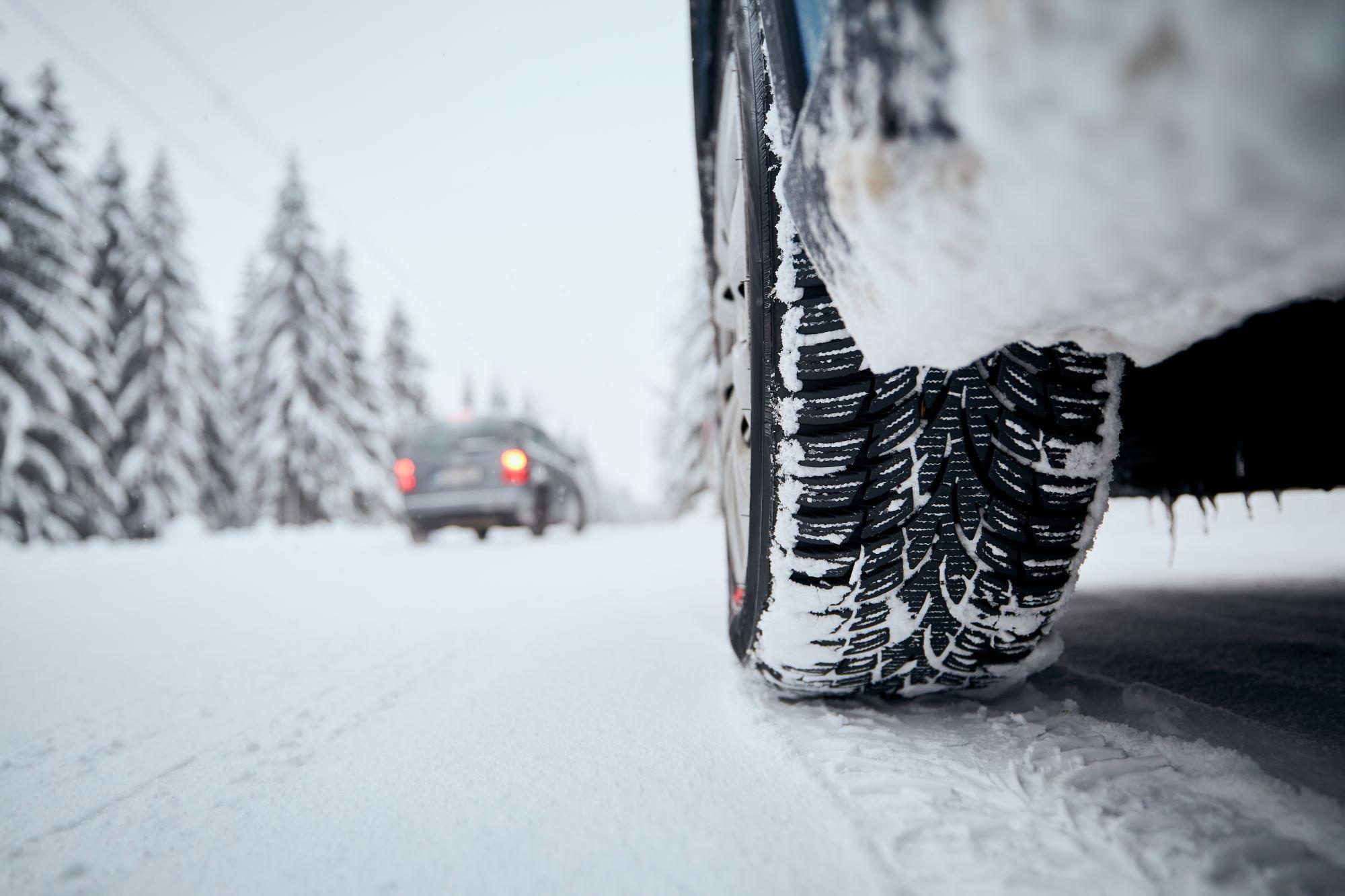
If there’s one upgrade that changes how your vehicle feels in winter, it’s grip. Winter tires are built with rubber compounds that stay flexible in low temperatures, which helps them bite into snow and ice instead of skating over it.
Even if you already have good tires, tire pressure matters more than most drivers realize. When the temperature drops, your tire pressure usually drops with it. Underinflated tires can reduce handling, lengthen braking distance, and wear unevenly.
A quick winter tire check should include tread depth, tire pressure set to spec, and a look at wear patterns that might suggest you need a wheel alignment.
2) Don’t wait for a dead battery to find out it’s weak
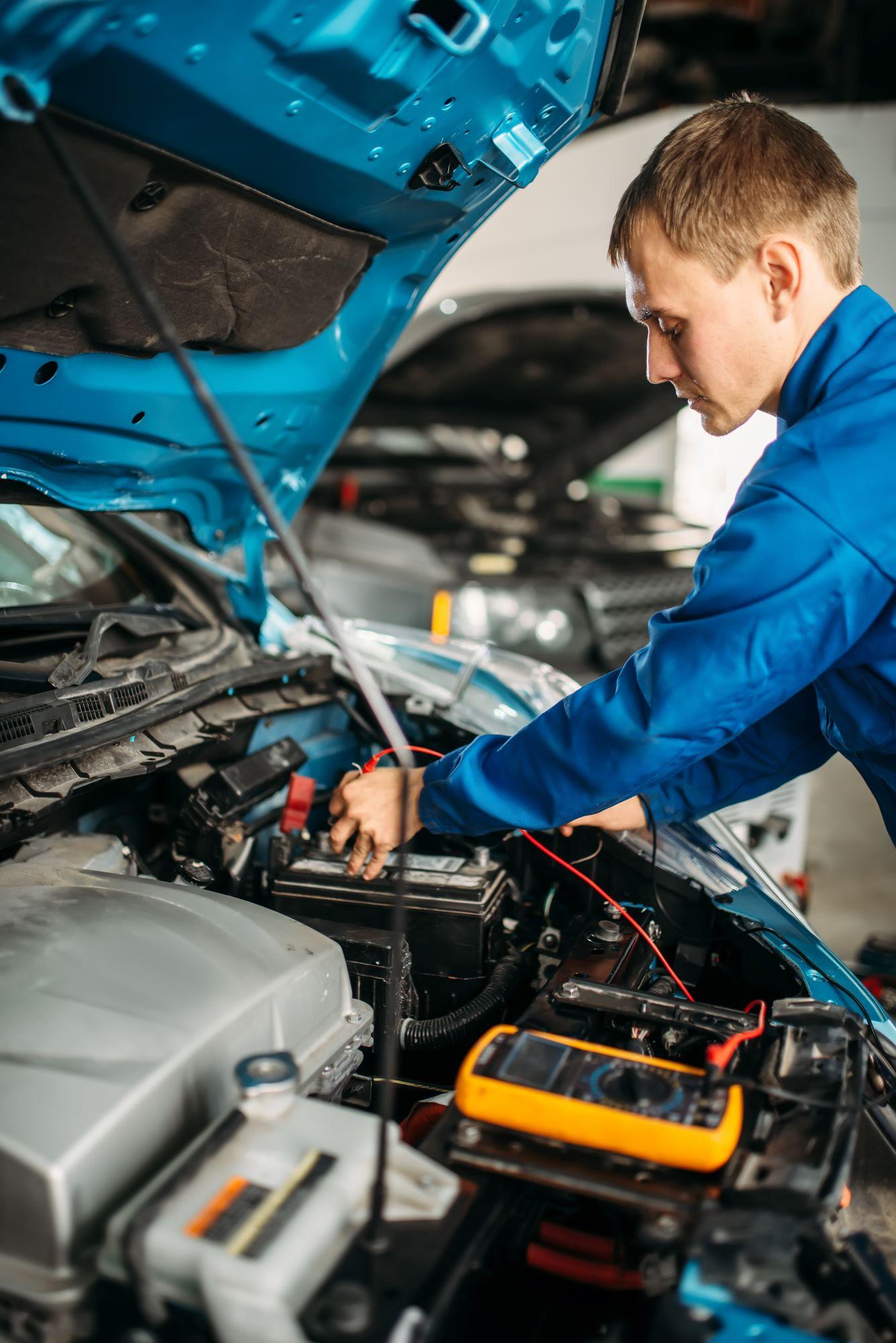
Cold weather is brutal on batteries. If your vehicle has been slow to start, or if your battery is a few years old, winter is when those “it’s probably fine” moments turn into a no-start morning.
A proper battery check is more than a quick glance. You want to know whether it can actually hold a charge and whether your charging system is doing its job. Corrosion on terminals and loose connections can also cause intermittent issues that are easy to miss until the temperature really drops.
If you want peace of mind, ask for a battery and charging system test before winter hits its stride.
3) Make sure your fluids are winter-ready, not just “topped up”
In winter, the right fluids (in the right condition) help protect your engine and keep basic safety features working properly.
A smart winter fluid check includes:
Washer fluid rated for freezing temperatures so it won’t turn to slush in the reservoir
Coolant/antifreeze strength so your engine is protected during deep cold
Engine oil that matches your manufacturer’s recommended winter viscosity for easier cold starts
Brake fluid condition, especially if it’s older and may have absorbed moisture over time
Fluids are one of those areas where “close enough” can create expensive problems. If you’re unsure what’s in the vehicle now, it’s worth having it checked.
4) Visibility is a safety feature, not a convenience
Winter driving is stressful enough without smeared windshields and dim headlights. When snow starts falling sideways or the roads are spray-heavy, visibility becomes one of the biggest safety factors on the road.
Before winter gets messy, take care of the basics: replace streaky wiper blades, use proper winter washer fluid, and confirm your defrost and heat can clear the glass quickly. It’s also a good idea to check that all exterior lights are bright and working properly, including brake lights and reverse lights.
If your headlights look hazy or yellowed, a headlight restore can make night driving feel dramatically better.
5) Brakes, steering, and suspension are your “control system” on icy roads
Winter doesn’t just test your engine. It tests your ability to stop and stay stable when roads are slick.
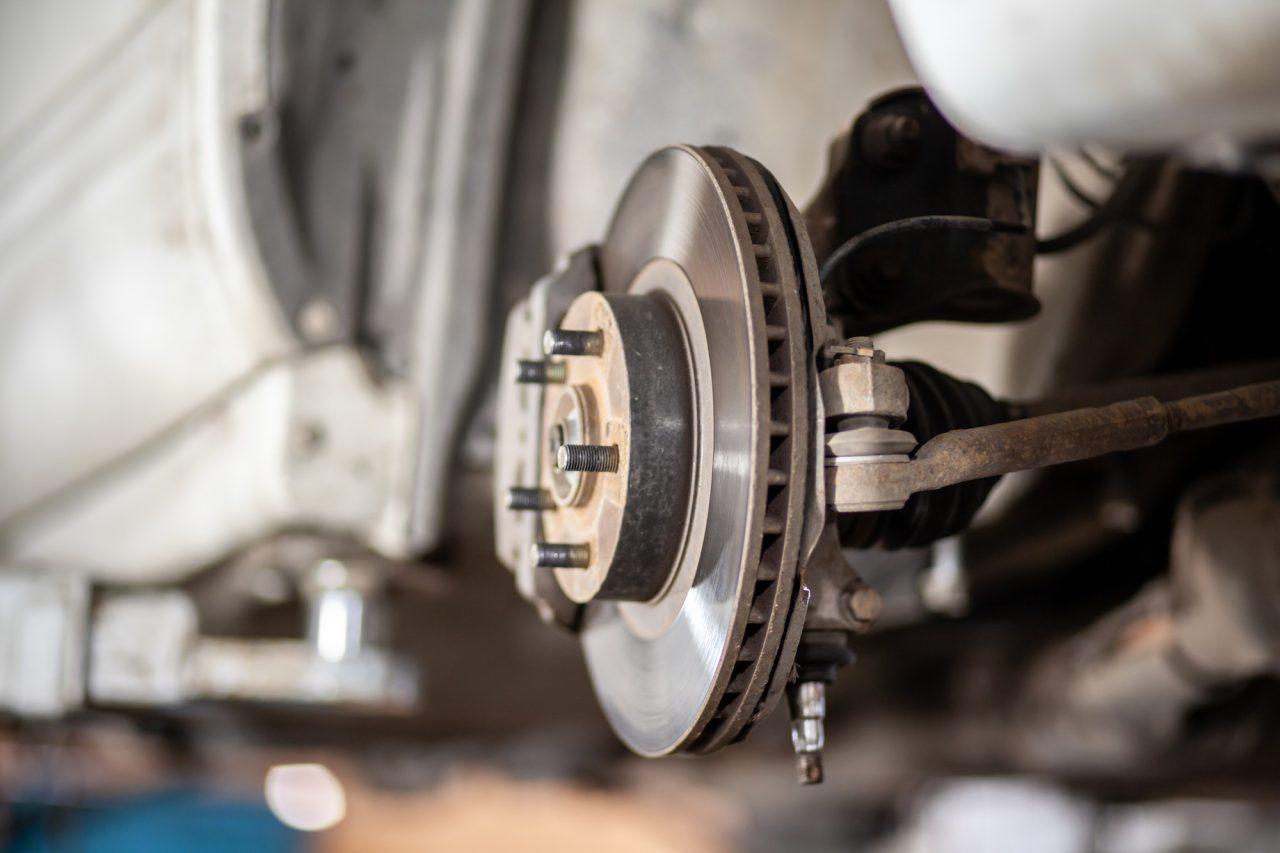
If your brake pedal feels soft, your steering pulls, or you hear clunks over bumps, don’t ignore it. Worn brakes, tired shocks, or loose steering components can reduce stability and increase stopping distance when traction is already limited.
A winter safety inspection typically focuses on brake pad and rotor condition, brake fluid, steering components, and suspension wear, because those parts work together to keep your tires planted and your vehicle predictable.
Want a quick winter readiness check in Oakville?
If you’d rather not guess, book a winter inspection at Sil’s Auto Care Centre. We’ll flag anything urgent, explain what can wait, and give you a clear plan to keep your vehicle safe and dependable through the season.
A simple winter kit that can genuinely save the day
Keep a small bin in the trunk with the basics you’ll actually use: an ice scraper and brush, warm gloves, a blanket, a phone charger, booster cables or a jump pack, and a small shovel. Traction help (sand or traction mats) is also worth it if you drive in unplowed areas.
One more easy habit: keep your fuel tank above half in winter. It gives you more flexibility if traffic slows down or weather changes unexpectedly, and it helps reduce condensation in the system.