When Oakville roads turn slick, winter tires make the drive feel normal again
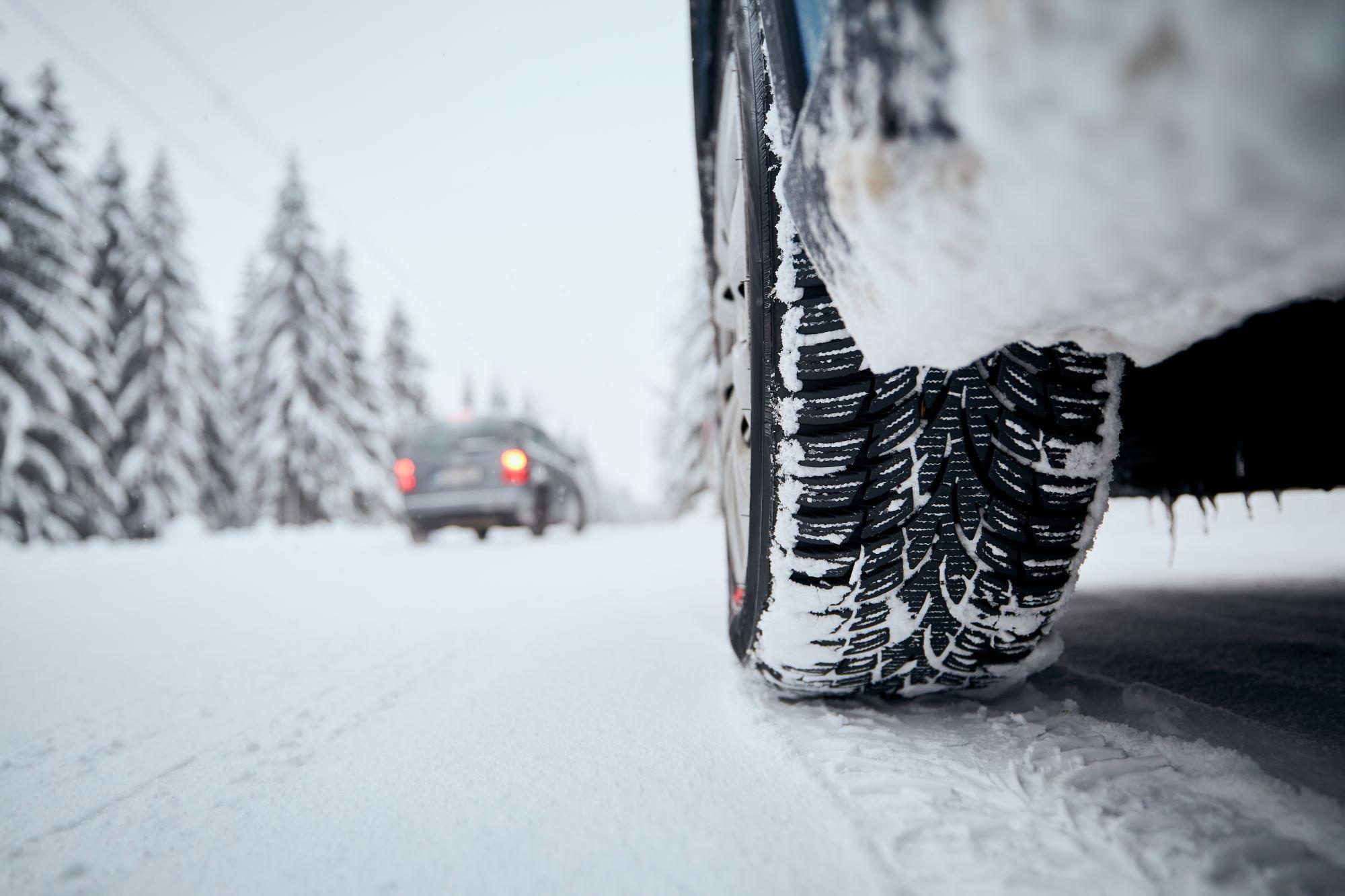
The first cold snap is when most drivers notice it: the car feels a little less planted, braking takes longer, and corners get a bit sketchy. That’s exactly the gap winter tires are built to close. They’re designed for cold temperatures and unpredictable road conditions, so you get better traction when it matters most—starting from a stop, changing lanes, and coming to a controlled stop.
At Sil’s Auto Care Centre in Oakville, we help you choose the right winter tires for your vehicle and handle the full changeover properly—so you’re not dealing with vibrations, uneven wear, or surprises when the weather flips.
Why winter tires are worth it
Winter tires aren’t just “more tread.” They’re engineered for Canadian cold.
Better grip in freezing temps because the rubber stays flexible when temperatures drop.
Shorter stopping distances on cold pavement, slush, and ice thanks to heavy siping and winter-focused tread patterns.
More control during turns and lane changes in packed snow and messy shoulder slush.
All-season vs. winter: what changes below 7°C
All-season tires are fine in spring, summer, and fall—but once temperatures hover around 7°C and below, the rubber compound starts to firm up. That’s when traction drops, even on dry roads. Winter tires are built for that temperature range, so your vehicle responds more predictably in braking and steering.
If you’ve ever thought, “The roads aren’t even that bad—why does my car feel different?” it’s often temperature, not snowfall.
When should you switch to winter tires in Oakville?
Watch the thermometer, not the calendar. When daytime highs are consistently around 7°C or lower, it’s time. Leave winters on until spring temperatures stay above that mark again.
Pro tip: book early. Tire season fills up fast as soon as the forecast turns.
How to choose the right winter tires
The “best” winter tire depends on what you drive and how you drive.
Start with the basics:
Look for the mountain/snowflake (3PMSF) symbol (a recognized winter performance standard).
Match the correct tire size and load rating for your vehicle.
Then think about your routine:
Lots of highway driving? You may want a winter tire that’s quieter and more stable at higher speeds.
Mostly city streets and stop-and-go traffic? Prioritize strong ice grip and slush evacuation.
And yes—install four winter tires. Mixing winters with all-seasons can reduce stability and make handling unpredictable, especially during braking and cornering.
Winter tire services at Sil’s Auto Care Centre
We make winter tire season simple—from purchase to spring swap.
Our winter tire services include:
Winter tire sales and recommendations based on your vehicle, budget, and driving habits
Professional installation and balancing for a smooth, vibration-free ride
Seasonal changeovers (winter set on, summer/all-season set back on in spring)
Alignment and wear checks to help your tires last longer and perform properly
Off-season tire storage in Oakville if you don’t want to haul tires back and forth
Sil’s has been serving drivers with a strong customer-first reputation since 1976, and the shop also offers helpful conveniences like complimentary loaner/shuttle service and a complimentary vehicle clean with every service.
Ready to book your winter tire changeover? Visit us at 1040 Winston Churchill Blvd, Oakville, ON, or call 905-823-2626.
FAQ
Yes. Sil’s offers off-season storage so your tires stay protected and ready for the next swap
It can, depending on your vehicle and whether the sensors are in the wheels you’re swapping. A proper install includes checking for issues and ensuring everything is functioning as expected.
Often, yes—if the tire size and rim specs are compatible. Many drivers also choose a second set of rims (like steel wheels) to make seasonal swaps faster and protect nicer wheels from winter corrosion.
Yes. Installing four winter tires helps keep braking and handling balanced. Mixing tire types can reduce stability and increase stopping distances.
A reliable rule is 7°C. When daytime highs are consistently around or below that, winter tires will perform better than all-seasons.
Ontario doesn’t require winter tires by law (unlike Quebec), but they’re strongly recommended for safety once temperatures drop.