A seasonal tire change is more than taking one set off and putting another set on. Done properly, it is a chance to look closely at how your tires have worn, how the vehicle is handling, whether pressures are correct, and whether any warning lights need attention. At Sil’s Auto Care Centre, services like seasonal tire changes, inspections, and routine maintenance all work together to help Oakville drivers stay ahead of preventable problems.
As noted in Sil’s blog about tire changes near Oakville, a proper appointment should include an inspection for uneven tread and visible damage before the work is finished. That is what makes a seasonal change valuable. It is not just about getting the right tires on the vehicle. It is also about catching wear issues early, before they affect ride quality, fuel efficiency, or safety.
More Than A Quick Swap
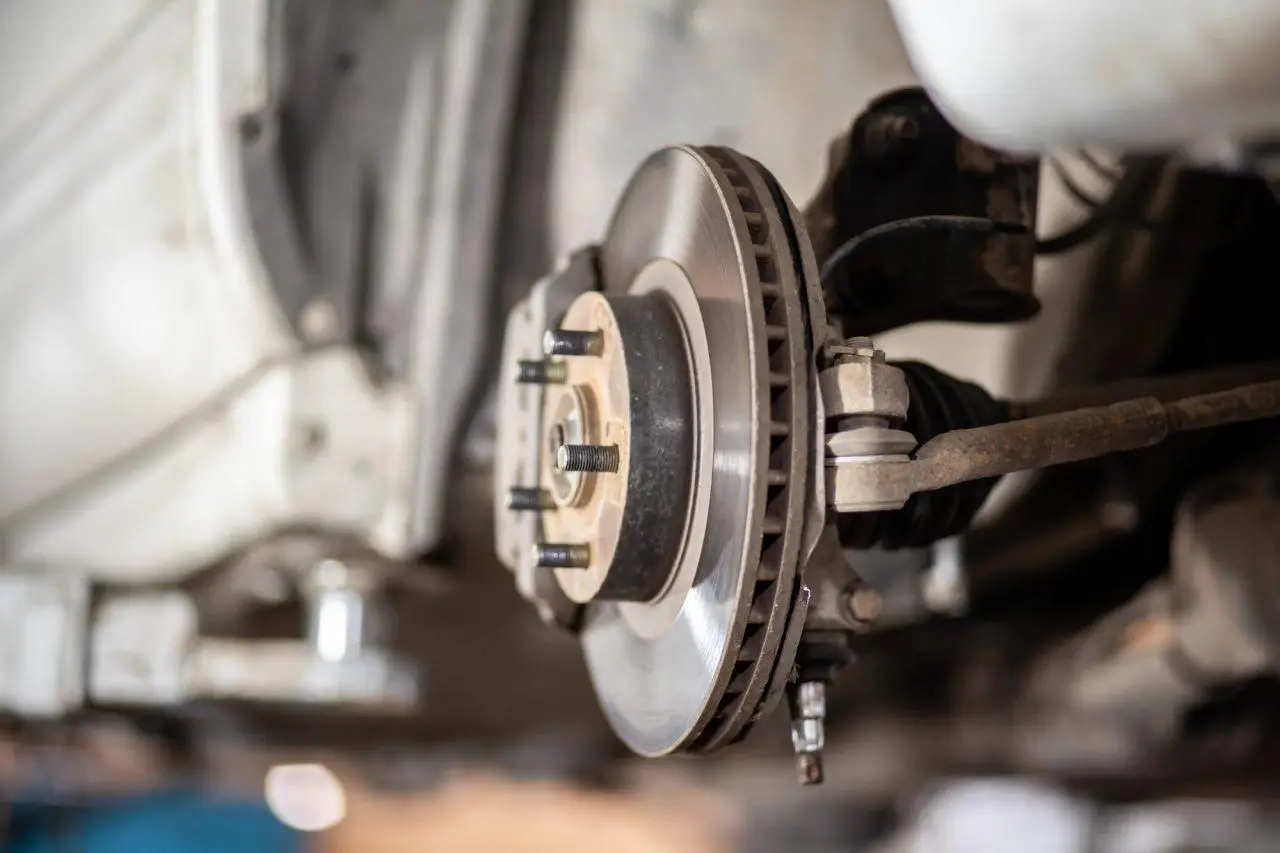
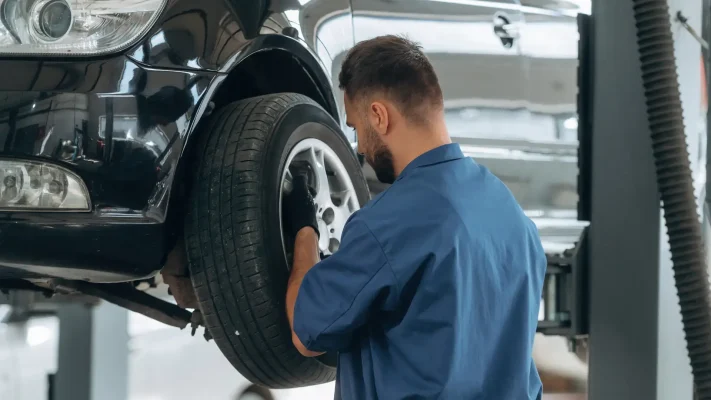
When your vehicle comes in for a seasonal tire change, the first step is usually removing the current set and checking the condition of both the tires coming off and the tires going on. That includes looking for uneven wear, cracking, punctures, sidewall damage, or signs that one tire has been doing more work than the others. A technician may also confirm that the replacement set still makes sense for the season and for the way you drive around Oakville and the surrounding area.
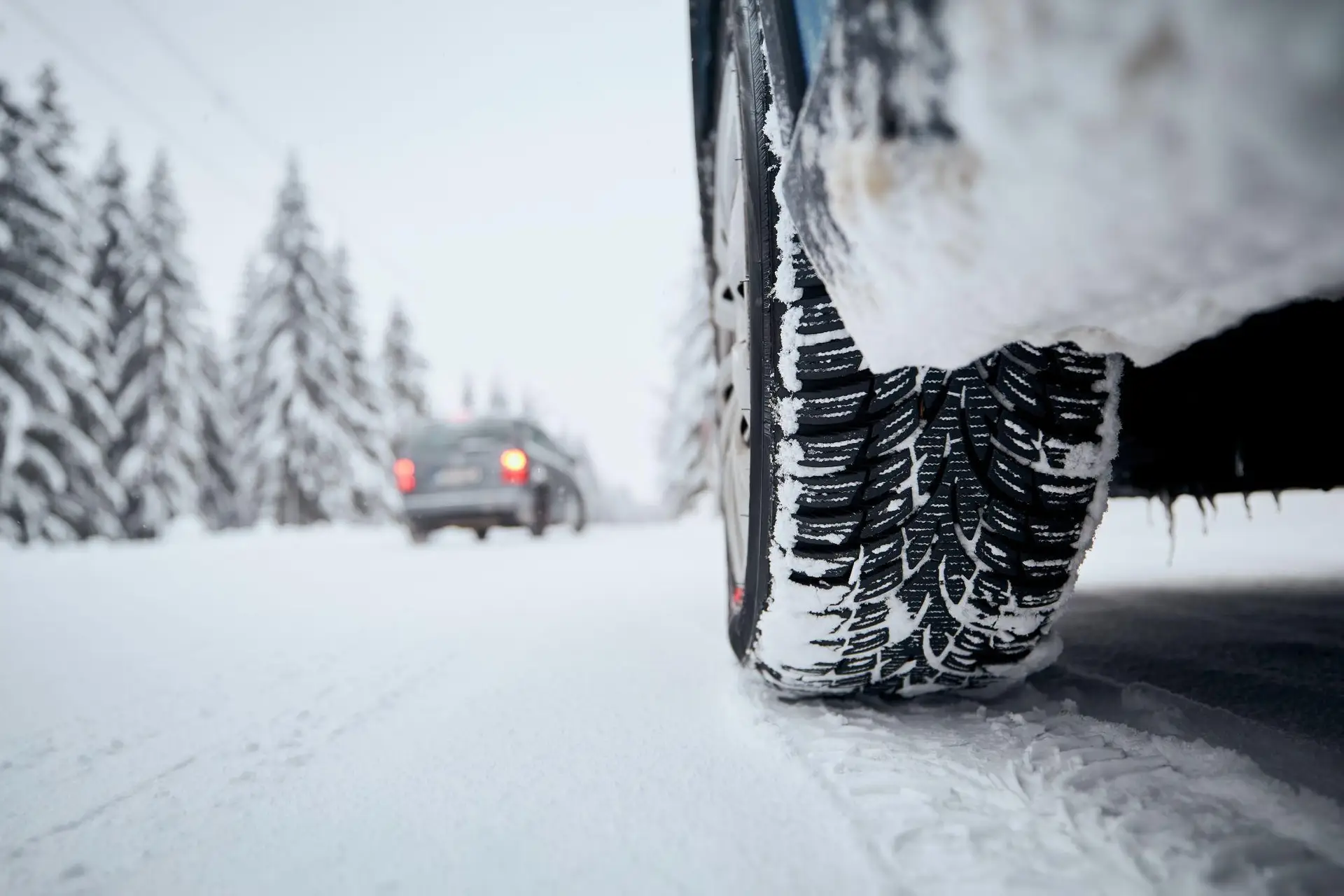
Timing matters too. In Sil’s winter maintenance checklist, the shop points out that colder temperatures can lower tire pressure and affect how your vehicle performs. That is a useful reminder in both directions. Drivers are often tempted to switch too early in spring or wait too long in fall, but seasonal tire changes work best when they follow sustained temperatures, not a single warm or cold day.
Why Balancing Matters During A Seasonal Tire Change
Balancing is one of the most overlooked parts of a tire appointment. If a wheel and tire assembly is slightly out of balance, you may notice vibration through the steering wheel, a rougher feel at highway speed, or faster wear over time. A seasonal tire change is the ideal moment to deal with that because the wheels are already off the vehicle and can be checked properly before being reinstalled.
Balancing can also point to other issues that should not be ignored. If the tires show unusual wear or the car feels unsettled after a long winter, it may be worth following up with wheel alignment service. Oakville drivers deal with potholes, curb contact, and everyday road wear, all of which can affect how a vehicle tracks and how evenly the tires wear from one season to the next.
Tread Checks Can Reveal More Than You Think
Tread checks are not just about deciding whether a tire is worn out. They also help explain how your vehicle is driving. If the centre of the tread is wearing faster than the edges, pressure may have been too high. If both shoulders are wearing down faster, pressure may have been too low. If one side is noticeably more worn than the other, alignment or suspension issues may be part of the problem.
That is why it makes sense to treat a seasonal tire appointment as more than a basic swap. Sil’s own content on tire change service in Oakville highlights the value of putting the right tires on at the right time, but the inspection that happens during the appointment is just as important. If a tread check raises concerns, the next step may be a closer look through a vehicle safety inspection rather than simply reinstalling the next set and hoping for the best.
What TPMS Checks Are Really About
If your dashboard shows a tire pressure light after a seasonal tire change, it should not be brushed aside. According to Sil’s page on warning light diagnostics, tire pressure monitoring alerts matter because they affect handling, tire life, and overall vehicle safety. Sometimes the issue is straightforward and comes down to inflation pressure. In other cases, a sensor may need attention or the system may need to be checked more closely.
A proper seasonal tire change should include confirming pressures on the installed set and making sure the TPMS system is behaving as expected afterward. If that light stays on, comes back shortly after service, or appears along with other warning lights, it is worth booking diagnostic help for dashboard warnings instead of guessing. A warning light is easy to ignore when the car still seems to drive normally, but that can be an expensive mistake.
Tire Storage Is Part Of Tire Care
A lot of drivers think the work is finished once the off-season set is back in the garage. In reality, storage has a direct effect on how those tires perform when it is time to use them again. Sil’s page on tire storage in Oakville explains that tires should be kept away from moisture, direct sunlight, extreme temperature swings, and chemicals that can damage the rubber over time.
That is one reason many drivers choose professional off-season tire storage instead of stacking tires in a shed, leaving them against a hot garage wall, or storing them in a damp corner of the basement. When tires are stored properly, they are better protected from distortion and premature deterioration, which helps them stay in better condition for the next changeover.
A Better Seasonal Change Leads To A Better Season On The Road
The best seasonal tire changes are the ones that look at the full picture. That means installing the right set for the season, balancing them properly, checking tread wear, confirming correct pressures, paying attention to TPMS issues, and storing the off-season set the right way. It is a simple service on paper, but it affects how your vehicle rides, handles, and wears over the months ahead.
If you are booking a tire change, it helps to choose a shop that sees the appointment as more than a swap. A careful seasonal change can give you a smoother drive now and help prevent avoidable tire and suspension issues later.
FAQs
Does a seasonal tire change include balancing?
It often should, or at least include checking whether balancing is needed. If a wheel and tire assembly is out of balance, you may feel vibration at higher speeds and notice uneven wear over time. Sil’s article on the entire changes near Oakville also reinforces the value of inspection during the appointment, which is one reason these visits can be so useful.
Should the TPMS light turn off after a tire change?
In many cases, yes, once the pressures are corrected and the system reads properly. If the light stays on, there may be a pressure issue, a faulty sensor, or another related problem that needs attention. Sil’s page for warning light diagnostics is a good reminder that this is not a light to ignore.
What is the best way to store off-season tires?
They should be stored in a cool, dry, dark, well-ventilated space away from sunlight, moisture, and chemicals. Sil’s guidance on off-season tire storage also points out that proper storage helps tires maintain their condition and shape between seasons.