If your vehicle pulls slightly to one side, your steering wheel feels off-centre, or your tires are wearing unevenly, there is a good chance your alignment deserves a closer look. A wheel alignment check is one of those services drivers often put off because the car still seems drivable. The trouble is that small alignment issues rarely stay small for long.
At Sil’s Auto Care Centre, alignment concerns usually show up through everyday driving symptoms rather than a dashboard alert. After a rough winter, a curb strike, or one hard hit through a pothole, it makes sense to book a wheel alignment Oakville appointment before tire wear and handling issues become more noticeable.
Why Drivers Usually Feel The Problem First
Most people don’t schedule an alignment because they’re thinking about suspension geometry. They book it because something feels wrong. The steering wheel may no longer sit straight. The car may drift on a level road. You may also notice that one tire looks more worn than the others.
That is one reason alignment problems are often discovered during other routine visits. In Sil’s blog on tire change service near Oakville, the team notes that seasonal tire appointments are a good time to look for uneven tread wear and visible tire damage. That is a useful point because unusual wear patterns often tell you that the issue is not just the tire itself. It may be the way the vehicle is tracking.
What Happens During A Wheel Alignment Check
A proper wheel alignment check starts with inspection, not adjustment. The technician will usually look at the tires, ask what you have been noticing while driving, and check for obvious signs of wear that suggest the wheels are no longer sitting at the correct angles. If the steering wheel is crooked or the vehicle pulls consistently, that information helps narrow down what needs to be checked.
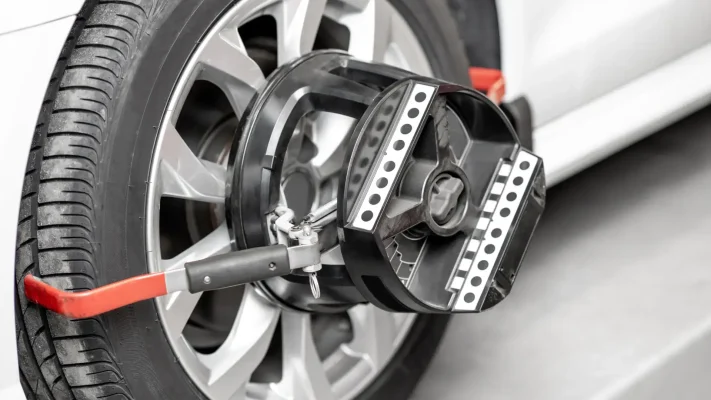
Next, the vehicle is placed on alignment equipment that measures how each wheel compares to the manufacturer’s specifications. The technician looks at the key angles that affect straight-line tracking, steering response, and tire wear. If those readings are out of range, the next step is determining whether they can be adjusted properly and whether anything else may be contributing to the issue.
Why The Inspection Matters Just As Much As The Adjustment
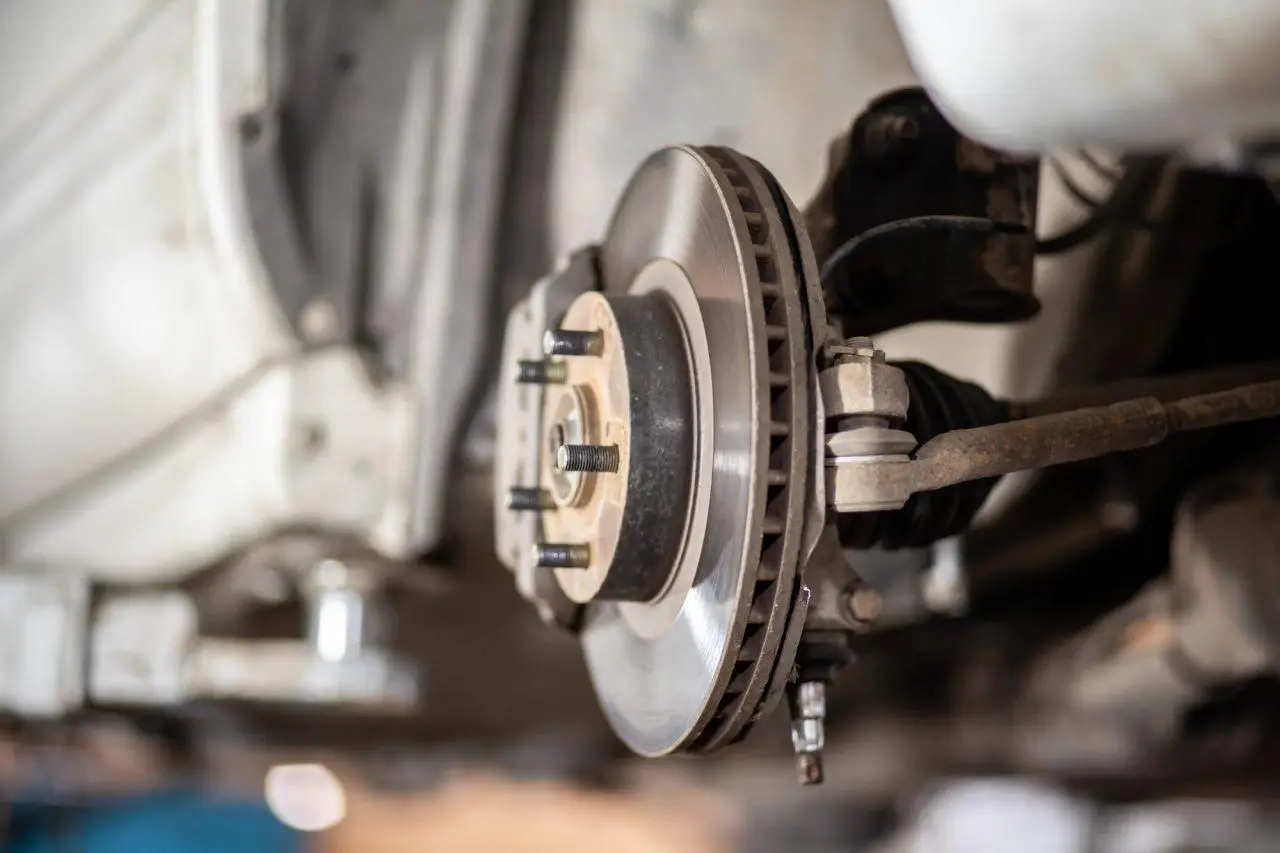
Many drivers think an alignment is simply a quick mechanical reset. In reality, the inspection is what makes the service useful. If something is worn or loose in the steering or suspension system, the alignment readings may explain only part of the story. That is why a good shop does not treat the machine as the whole answer.
Sil’s page for steering and suspension repairs helps show how closely these systems work together. If parts in that system are worn, your vehicle may not hold alignment properly even after an adjustment. A proper check helps identify whether the problem is truly alignment alone or whether there is another issue affecting ride quality and control.
How Long Does A Wheel Alignment Take?
This is one of the most common questions, and the honest answer is that it depends on what the technician finds. In many straightforward cases, a wheel alignment check and adjustment can often be completed in about an hour. That makes it a manageable appointment for many drivers, especially if the issue is caught early.
The timeline can be longer if something is seized, if the tires show unusual wear that needs closer review, or if worn components are preventing the alignment from being set correctly. So while the actual measuring process is fairly efficient, the full appointment depends on the condition of the vehicle. A slightly longer visit is often worthwhile if it prevents premature tire wear or repeat problems later.
Why Alignment Problems Often Show Up After Winter
Spring is a very common time for Oakville drivers to notice that something feels off. Winter roads put stress on tires, wheels, and suspension components. Potholes, rough pavement, and curb contact can all shift alignment enough to create a gradual pull or accelerated tire wear.
That connects naturally with Sil’s springcar maintenance checklist, which points out that potholes can knock alignment out of spec after winter. It also fits with the shop’s post on when to switch winter tires to summer tires, where seasonal changeover is framed as a smart time to inspect the vehicle more closely. If you are already switching tires, it makes sense to confirm the new set is not going onto a vehicle that is already wearing them unevenly.
What You Learn From The Appointment
A good alignment visit should leave you with more than a simple yes or no. You should understand whether the wheels were out of spec, whether the problem was corrected, and whether any other issues were uncovered during the inspection. That matters because symptoms like pulling and irregular wear do not always come from one source alone.
If everything checks out and the angles are adjusted properly, you leave with a vehicle that feels steadier and tracks more predictably. If another issue is found, you at least have a clearer answer and a sensible next step. That is far better than continuing to drive on a problem that slowly damages the tires.
Why It Is Worth Addressing Early
Alignment issues are easy to delay because they usually build gradually. But the cost of waiting tends to show up elsewhere. A slight pull can become uneven tire wear. Uneven tire wear can shorten the life of a set that otherwise had plenty left in it. Over time, something that felt minor becomes more expensive than a simple check would have been.
For Oakville drivers, a wheel alignment check is about more than making the steering wheel look straight. It is about protecting your tires, improving how the vehicle feels on the road, and making sure a small issue does not quietly grow into a bigger one.
FAQs
How do I know if I need a wheel alignment?
Common signs include pulling to one side, an off-centre steering wheel, uneven tire wear, or a feeling that the vehicle is not tracking straight. These symptoms are worth checking even if the car still feels mostly normal.
How long does a wheel alignment check usually take?
In many cases, about an hour is a reasonable expectation. It can take longer if worn parts, seized adjustments, or unusual tire wear need closer inspection.
Should I check alignment when changing seasonal tires?
Yes, especially after winter. Sil’s own seasonal tire and spring maintenance content makes it clear that the tire change season is a practical time to catch alignment issues before they shorten the life of the next set.
Can alignment problems damage my tires?
Yes. If the wheels are not tracking properly, the tires can wear unevenly and more quickly than they should. Catching the issue early can help extend tire life and improve vehicle handling.