Every spring, the same question comes up at our shop: is it warm enough to take the winter tires off? It’s a fair question, and the timing matters more than most people assume. Switching too early puts you back at risk in a late frost. Switching too late means you’re driving on tires that were built for soft snow, not for the dry grip and cornering response of warmer pavement.
Here’s how to think about the timing, and what to pay attention to when you make the switch.
The 7°C Rule: Why Temperature Is the Real Guide
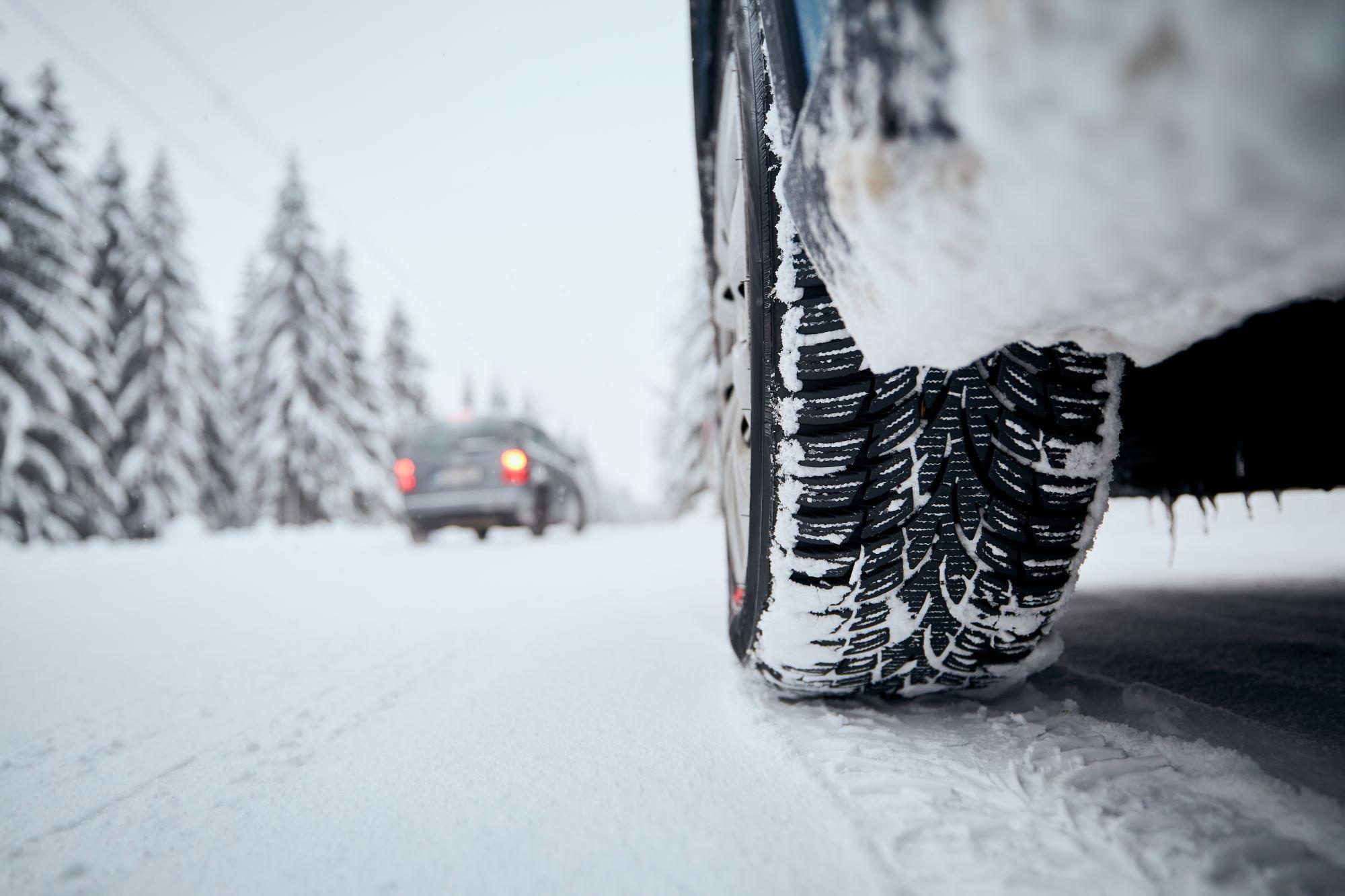
The standard guideline used across Canada is to keep winter tires on until daily temperatures are consistently staying above 7°C. That number isn’t arbitrary. Winter tire compounds are made from a softer rubber blend that stays flexible in the cold and grips well on snow and ice. Above that threshold, the same rubber starts to wear faster than it should on warm asphalt and delivers less precise handling than a proper summer or all-season tire.
In Oakville, that transition usually falls somewhere between late March and late April, but the weather in the Greater Toronto Area can still surprise you. One week of warmth followed by a late snowfall is not uncommon. The safest approach is to keep your winter tires on until you’ve had a solid stretch of warm days without frost in the forecast.
What Happens When You Leave Winter Tires on Too Long
A lot of drivers assume winter tires are fine to run year-round. They’re not. The softer compound that makes them effective in winter wears significantly faster in warm temperatures. You’ll lose tread depth faster, reduce your fuel economy, and compromise your handling on dry roads where a summer or all-season tire gives you a noticeably better response.
As we covered in our piece on seasonal tire change service in Oakville, running the wrong tires for the season affects both your safety and the lifespan of your tires. A set of quality winter tires that’s properly stored and only used from roughly November to April can last several seasons. Running them into summer cuts that lifespan considerably.
Choosing the Right Tire for the Warmer Months
Once you’re ready to make the switch, the question becomes which tire to put on. For most Oakville drivers, the choice is between dedicated summer tires and all-season or all-weather tires. Each has trade-offs.
Summer tires are built for maximum grip and handling precision in warm, dry conditions. They’re a strong choice if you drive a lot in warmer months and want the best possible response from your vehicle. All-season tires offer a practical middle ground: solid performance across moderate conditions, with enough cold-weather capability to handle the shoulder seasons without issue.
All-weather tires are a separate category worth knowing about. They carry the mountain snowflake rating that qualifies them for winter driving in Ontario, and some drivers find them a convenient alternative to managing two full tire sets. That said, if you drive in Oakville through a full Ontario winter, dedicated winter tires combined with all-season or summer tires for the warmer months typically delivers the best performance across both seasons.
Don’t Forget Storage and Wheel Alignment
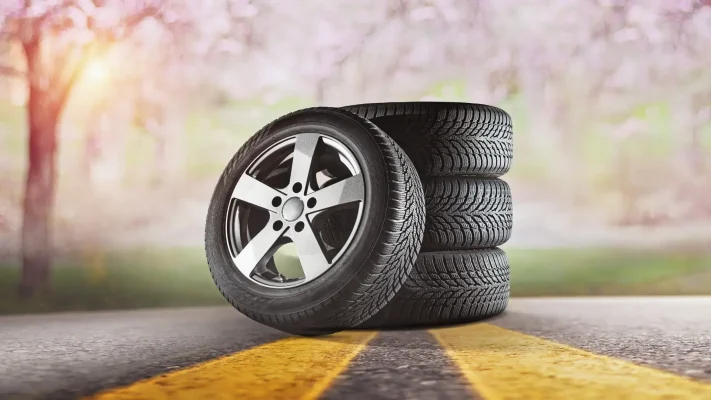
When you switch tires, the set coming off needs to be stored properly. Exposure to heat, UV light, and ozone can break down rubber over time, even when tires aren’t being driven. Storing them in a cool, dry space, either stacked flat or hanging, extends their life meaningfully. If storing them at home isn’t practical, Sil’s offers tire storage so they’re kept in proper conditions and ready to go when fall comes around.
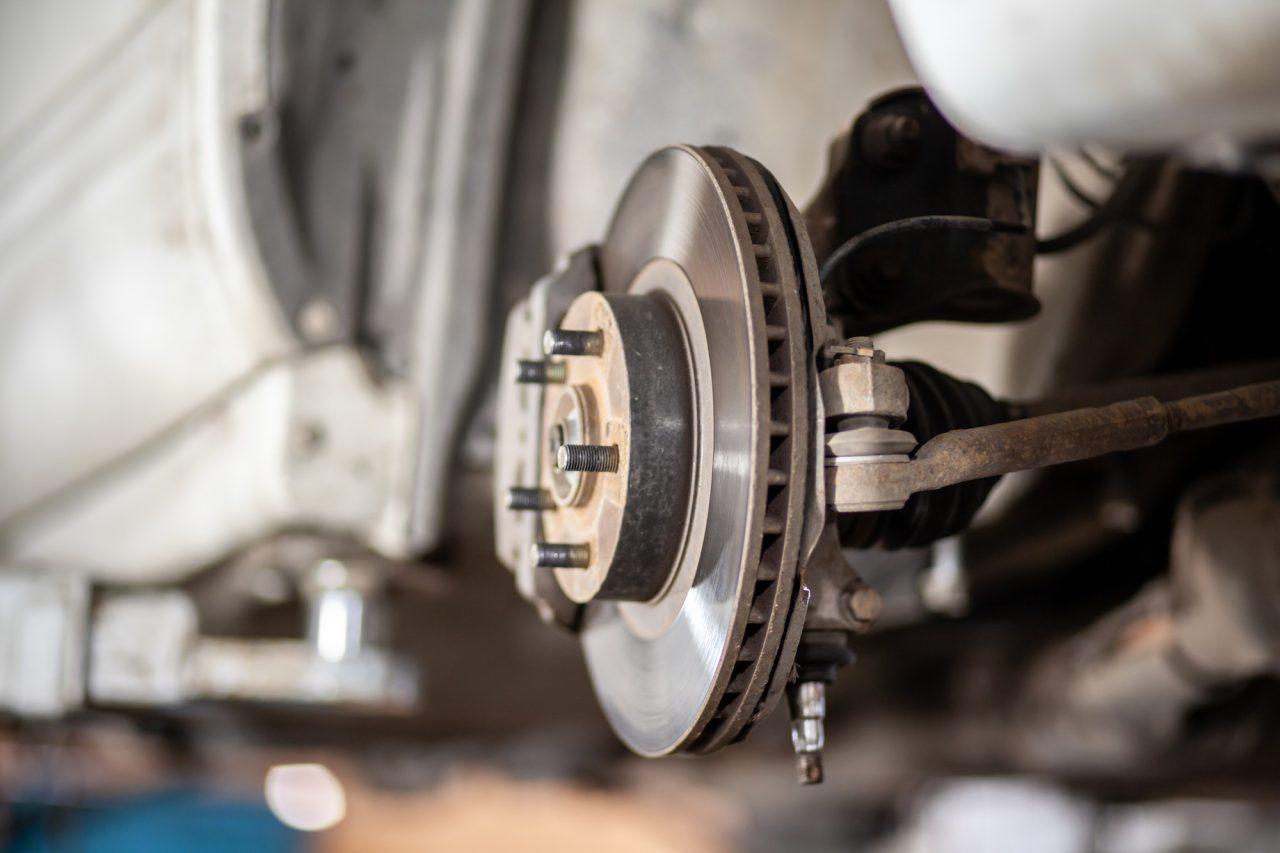
This is also a good moment to check your wheel alignment. Winter potholes have a way of nudging things out of spec, and putting fresh tires on a misaligned vehicle just means they wear unevenly from day one. A quick alignment check during your tire swap is a smart add-on that saves money over time.
Check Your Tread Depth Before the Tires Go Into Storage
Before your winter tires get put away for the season, take a close look at the tread. The legal minimum in Ontario is 1.6mm, but for winter tires, most technicians recommend replacing them when tread drops below 4mm, where cold-weather grip begins to fall off meaningfully. If you’re getting close to that threshold, it’s better to budget for a new set now than to scramble in October when availability is tightest.
Our team can measure tread depth during your spring tire swap in Oakville and give you an honest picture of what you have left on each tire. That way, you’re not making a last-minute decision in the fall when everyone else is doing the same thing.
Getting the Timing Right
If you’re in the Oakville area and want to time your switch correctly, our team is happy to look at what you’re working with and recommend the right options for your vehicle and driving habits. We carry a range of tire brands and can match you with the right fit for the season ahead. Book an appointment online or give us a call at (905) 823-2626. A good tire switch takes less time than most people expect, and getting it done right makes a difference you’ll feel for the next several months.
Frequently Asked Questions
Q: Is it okay to drive on winter tires in summer?
A: It’s not recommended. Winter tires wear significantly faster in warm conditions and provide less handling precision on dry pavement than summer or all-season tires.
Q: When is too early to switch to summer tires in Oakville?
A: If overnight temperatures are still regularly dropping below 7°C, or if there’s any realistic chance of frost or late snow, it’s worth holding off. The safe transition window in Oakville typically opens in mid-to-late April, but it varies year to year.
Q: How do I know if my winter tires need replacing before next season?
A: Have a look at the tread depth when they come off in spring. If they’re below 4mm, it’s worth budgeting for a replacement set before the next season starts. Our technicians can measure tread depth during your spring tire swap and advise you from there.
Q: Do I need a wheel alignment every time I swap tires?
A: Not necessarily, but after an Ontario winter full of potholes, it’s a good idea to check. Misalignment isn’t always obvious in how the car drives, but it shows up quickly in uneven tire wear. We can check your alignment while we have your wheels off.