If your car battery keeps dying, replacing the battery may not solve the problem. A weak battery is one possibility, but a charging-system fault, loose or corroded connection, parasitic electrical draw, or another electrical issue can leave a good battery discharged again.
When the battery dies is one of the most useful diagnostic clues. A vehicle that struggles to start after sitting overnight may need a different diagnostic path than one that loses electrical power while driving. If you have already needed several boosts, or a recently replaced battery has gone flat again, it is time to test the battery and charging system instead of assuming the battery itself is always at fault. SILS Auto similarly recommends checking battery condition together with alternator and charging-system operation.
Why Does a Car Battery Keep Dying?
Repeated battery failure usually means the battery cannot store enough energy or something is preventing it from remaining properly charged. The cause can be as simple as a poor terminal connection or as involved as an electrical circuit that continues drawing power after the vehicle has been shut off.
Common possibilities include:
- a battery that has lost capacity
- loose, dirty, or corroded battery connections
- an alternator or charging-system problem
- an electrical accessory or control module drawing power while the vehicle is parked
- repeated short trips that do not give the charging system enough time to restore the battery
- lights or accessories left on after the engine is shut off
- heat-related battery deterioration
- a starter or electrical fault that makes a healthy battery appear weak
CAA advises checking battery terminals for tightness and corrosion and notes that summer heat can take a toll on battery condition. SILS also checks battery condition, alternator operation, starter operation, terminals, and electrical connections as part of its battery services.
A jump-start restores enough power to start the engine, but it does not identify why the battery discharged.
How Can You Tell Whether the Battery or Alternator Is the Problem?
A battery and an alternator perform different jobs. The battery supplies the electrical energy needed for starting and supports vehicle electrical systems when the engine is off. The alternator supplies electrical power and recharges the battery while the engine is running.
A weak battery may cause slow cranking, repeated no-starts, or trouble starting after the vehicle has been parked. A charging-system problem can allow the vehicle to start after a boost but leave the battery undercharged again because the charging system is not restoring the energy that was used.
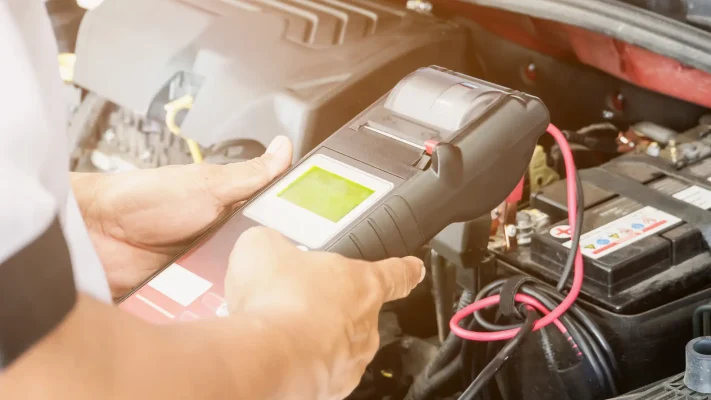
This distinction is why testing matters. SILS Auto states that its battery service checks battery health along with alternator, starter, and electrical connections before determining what repair is needed.
The dashboard battery symbol can also be misleading. Treat it as a charging-system warning that requires diagnosis rather than assuming it simply means “buy a new battery.”
At SILS Auto Care Centre, battery testing and replacement includes checking the battery and charging system so the cause can be identified before parts are replaced.
Why Can a New Car Battery Keep Dying?
A new battery can go flat if the original cause of the discharge was never corrected. Installing a fresh battery may temporarily hide an alternator, wiring, connection, or parasitic-draw problem because the new battery begins with more usable capacity.
If a recently replaced battery keeps dying, technicians should look beyond battery age. The diagnosis may include:
- verifying that the replacement battery matches the vehicle’s requirements
- checking terminal condition and cable connections
- testing alternator and charging-system performance
- checking for excessive electrical draw after the vehicle is shut down
- looking for electrical or module faults that prevent systems from entering their normal low-power state
SILS Auto’s electrical-diagnostics service includes testing batteries, alternators, charging systems, wiring, starters, fuses, relays, sensors, and control modules.
Repeated deep discharge can also shorten the useful life of a replacement battery. Finding the reason it is going flat protects the new battery from being subjected to the same condition that affected the previous one.
What Is a Parasitic Battery Drain?
A parasitic draw is electrical current that continues to flow after the vehicle is shut off. Some electrical activity after shutdown is normal because modern vehicles use modules for security systems, keyless entry, memory settings, communications, and other functions.
The problem is excessive draw that continues after the vehicle should have entered its normal low-power state.
Possible sources can include:
- a glove-box, cargo, or interior light that remains on
- an aftermarket accessory
- a relay that stays energized
- damaged wiring
- a module that fails to shut down as intended
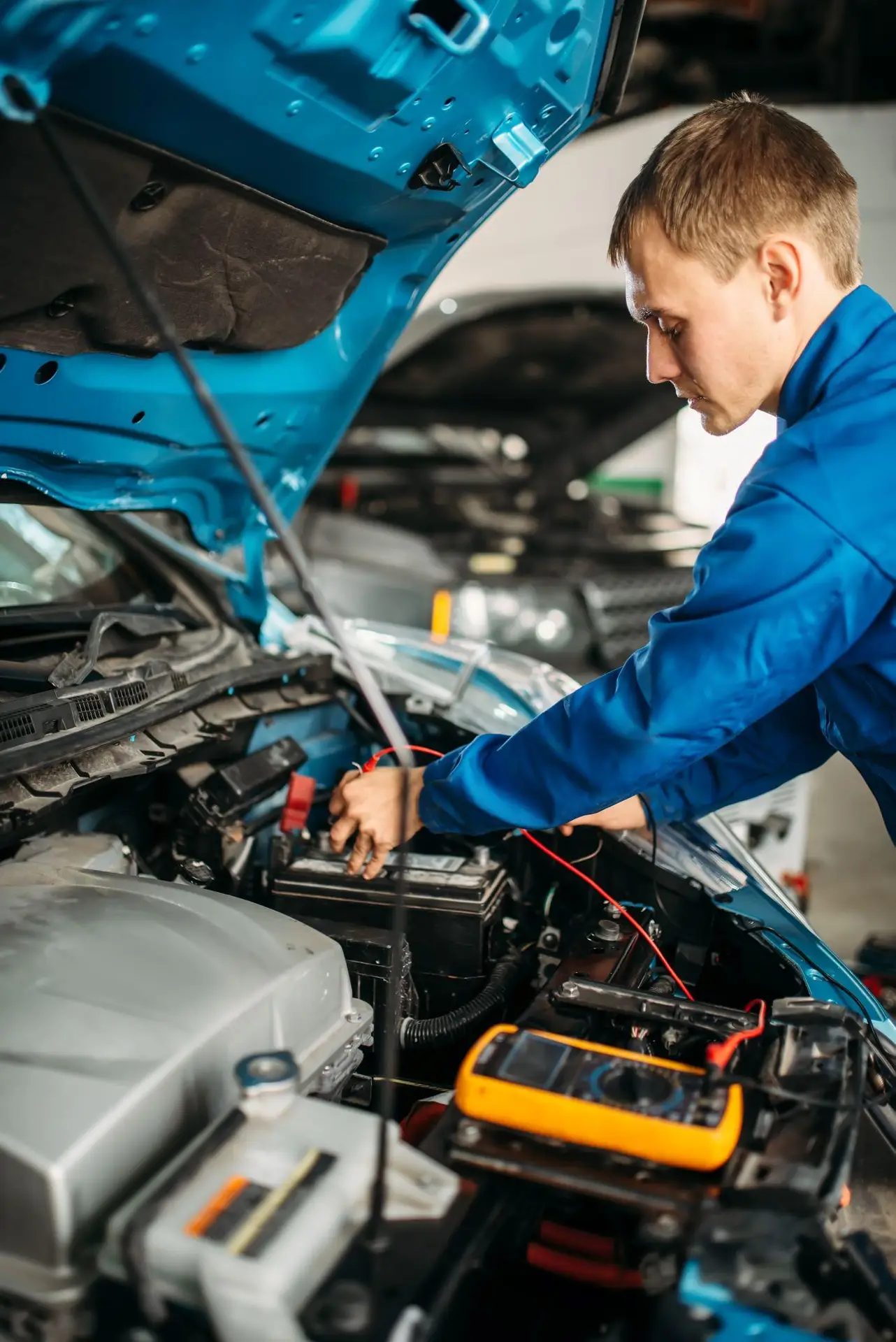
Finding the source can take more than checking battery voltage. A technician may need to allow the vehicle’s electronic modules to shut down normally, measure key-off current draw, isolate circuits, check wiring, and review diagnostic information.
SILS Auto’s electrical diagnostics specifically cover battery, alternator, wiring, relay, starter, sensor, and control-system faults, making electrical testing the logical next step when a battery repeatedly discharges without an obvious cause.
Can Summer Heat Make a Battery Fail?
Yes. Hot weather can accelerate battery wear even though many Ontario drivers associate dead batteries mainly with winter.
CAA’s 2026 summer guidance specifically says sweltering heat takes a toll on car batteries and recommends checking for corrosion, making sure terminals are tight, limiting repeated short trips, and having the battery tested before a longer drive.
CAA South Central Ontario also currently advises motorists to check battery health as part of hot-weather vehicle maintenance.
Heat can accelerate chemical activity and deterioration inside a conventional 12-volt battery. A battery that is already marginal may continue starting the vehicle until sustained heat, frequent short trips, heavy accessory use, or time parked exposes its reduced reserve.
For Oakville drivers, August is therefore a sensible time to pay attention to slower cranking or recurring battery trouble, particularly before longer travel. SILS Auto’s recent summer road-trip inspection guide also includes a weak battery among the issues worth identifying before an extended trip.
What If the Battery Dies While the Car Is Driving?
If a vehicle begins losing electrical power while the engine is already running, the charging system deserves immediate attention. The alternator normally helps supply the vehicle’s electrical needs and replenish the battery with the engine running.
Possible warning signs can include a battery or charging-system warning light, dimming lights, electrical accessories behaving erratically, or multiple dashboard warnings appearing as available system voltage changes.
If the battery or charging warning comes on and remains illuminated, or the vehicle begins losing electrical functions while driving, arrange an inspection promptly rather than continuing until the vehicle stops.
SILS Auto provides warning light diagnostics that combine computer scanning with electrical and component checks to identify the actual fault behind a dashboard warning.
Why Short Trips Can Contribute to a Weak Battery
Starting an engine requires a substantial burst of electrical energy. After the engine starts, the charging system has to replenish that energy while also supplying the vehicle’s electrical loads.
CAA’s current summer guidance advises limiting repeated short trips because they can strain the battery.
A pattern of very short trips can therefore contribute to a battery that remains undercharged, particularly if the battery is already weakening or the vehicle has significant electrical demand.
This does not mean that one short drive will suddenly kill a healthy battery. It means driving habits can expose or worsen an existing battery or charging problem.
A vehicle that sits for long periods can present a similar challenge because normal background electrical loads continue consuming a small amount of stored energy while the car is parked.
What Does a Proper Battery and Charging-System Diagnosis Check?
A useful diagnosis separates battery condition from charging performance and unwanted electrical draw.
Depending on the vehicle and symptoms, a technician may check:
- the battery’s state of charge and ability to deliver current
- battery age, physical condition, terminals, cables, and grounds
- alternator and charging-system performance with the engine running
- starter operation if slow cranking is part of the complaint
- voltage drop across important electrical connections
- diagnostic trouble codes and electrical-system data
- key-off electrical draw if the battery goes flat while parked
SILS Auto states that its battery service includes battery-health testing, charging-system inspection, alternator and starter checks, terminal cleaning, connection checks, and electrical-system verification. Its dedicated electrical-diagnostics service adds wiring, relay, sensor, module, and circuit testing when necessary.
The order of the tests matters. A discharged battery may first need to be properly charged before its condition can be meaningfully assessed. Likewise, replacing a battery without checking the system responsible for charging it can leave the original problem unresolved.
When booking the vehicle in, tell the shop:
- how long the car sits before going flat
- whether it dies overnight or after several days
- whether a boost starts it immediately
- whether warning lights appear
- whether the battery has already been replaced
- whether the problem began after an accessory or electrical repair was added
Those details give the technician a clearer starting point.
When Should You Stop Boosting the Car and Have It Diagnosed?
One unexpected no-start can have an obvious explanation, such as lights accidentally left on. A vehicle that repeatedly needs boosting is different because the pattern suggests that something has not been resolved.
Book a diagnosis if:
- you have needed more than one recent jump-start
- the battery goes flat again after being properly charged
- a new battery has discharged unexpectedly
- the battery or charging-system warning appears while driving
- the starter continues cranking slowly
- lights or interior electronics dim or behave unpredictably
- the vehicle consistently goes dead after sitting for a certain period
If repeated boosts are becoming routine, diagnose the cause before the next no-start leaves the vehicle unusable.
Fix the Cause, Not Just the Dead Battery
A dead battery is the result you see. The cause may be the battery itself, but it may also be the alternator, a poor connection, an electrical draw, or another starting and charging-system fault.
If your car battery keeps dying, SILS Auto Care Centre can test the battery, charging system, electrical connections, and related components, then explain what the results show. SILS currently offers battery-health testing, charging-system inspections, alternator and starter checks, and more advanced electrical diagnostics when required.
That approach helps avoid replacing a battery that is still serviceable or installing a new one without correcting the condition that discharged the old battery.
Frequently Asked Questions
Why does my car battery keep dying overnight?
A battery that repeatedly dies overnight may be weak or may be supplying an electrical load that continues after the vehicle is shut down. A parasitic-draw diagnosis can help determine whether a circuit, accessory, relay, light, or module is consuming too much power while the vehicle is parked.
Can a bad alternator keep draining my battery?
A faulty charging system can leave the battery undercharged because it is not properly replenishing the energy used to start and operate the vehicle. Battery condition and charging performance should therefore be tested together rather than replacing either component based on symptoms alone.
Why does my new car battery keep dying?
A new battery can keep dying when the original cause was not the old battery. Charging faults, poor cable connections, excessive key-off electrical draw, or other electrical problems can leave a replacement battery discharged.
How can I tell whether I need a battery or an alternator?
Symptoms can suggest a direction, but testing is the reliable way to separate a weak battery from a charging-system fault. Battery condition, starter performance, alternator operation, and electrical connections should be evaluated together before deciding which component requires replacement.
Can hot summer weather cause a car battery to fail?
Yes. High temperatures can accelerate battery deterioration and expose a battery that has already lost reserve capacity. Summer battery testing is particularly useful if starting has become slower or recurring battery trouble has begun.