A summer road trip car inspection can help uncover worn tires, weak batteries, cooling system problems and other concerns before they interrupt your plans. It is especially worthwhile before a long highway drive, a cottage weekend or a family vacation outside the GTA.
An oil change alone does not confirm that the entire vehicle is ready for several hours on the road. A useful pre-trip inspection considers the systems that affect safety, reliability and comfort, then identifies anything that should be addressed before departure.
When Should You Schedule a Summer Road Trip Car Inspection?
Schedule the inspection several days before leaving whenever possible. This provides time to complete maintenance or order a part if the technician finds something that requires attention.
Booking the afternoon before your trip leaves little room to correct a weak battery, worn tire or coolant leak. A week in advance is often practical for longer journeys, especially when travelling with children, towing a trailer or driving an older vehicle.
An inspection is particularly useful when:
- the vehicle is due for scheduled maintenance
- a warning light has recently appeared
- the tires are losing pressure
- the brakes feel or sound different
- the vehicle has been driven very little
- you have noticed a fluid leak, vibration or unusual smell
- the trip will add significantly more distance than your normal commute
The purpose is not to guarantee that a vehicle can never have a problem. It is to identify visible wear, overdue service and developing concerns that could reasonably affect the trip.
Check the Tires Before Highway Driving
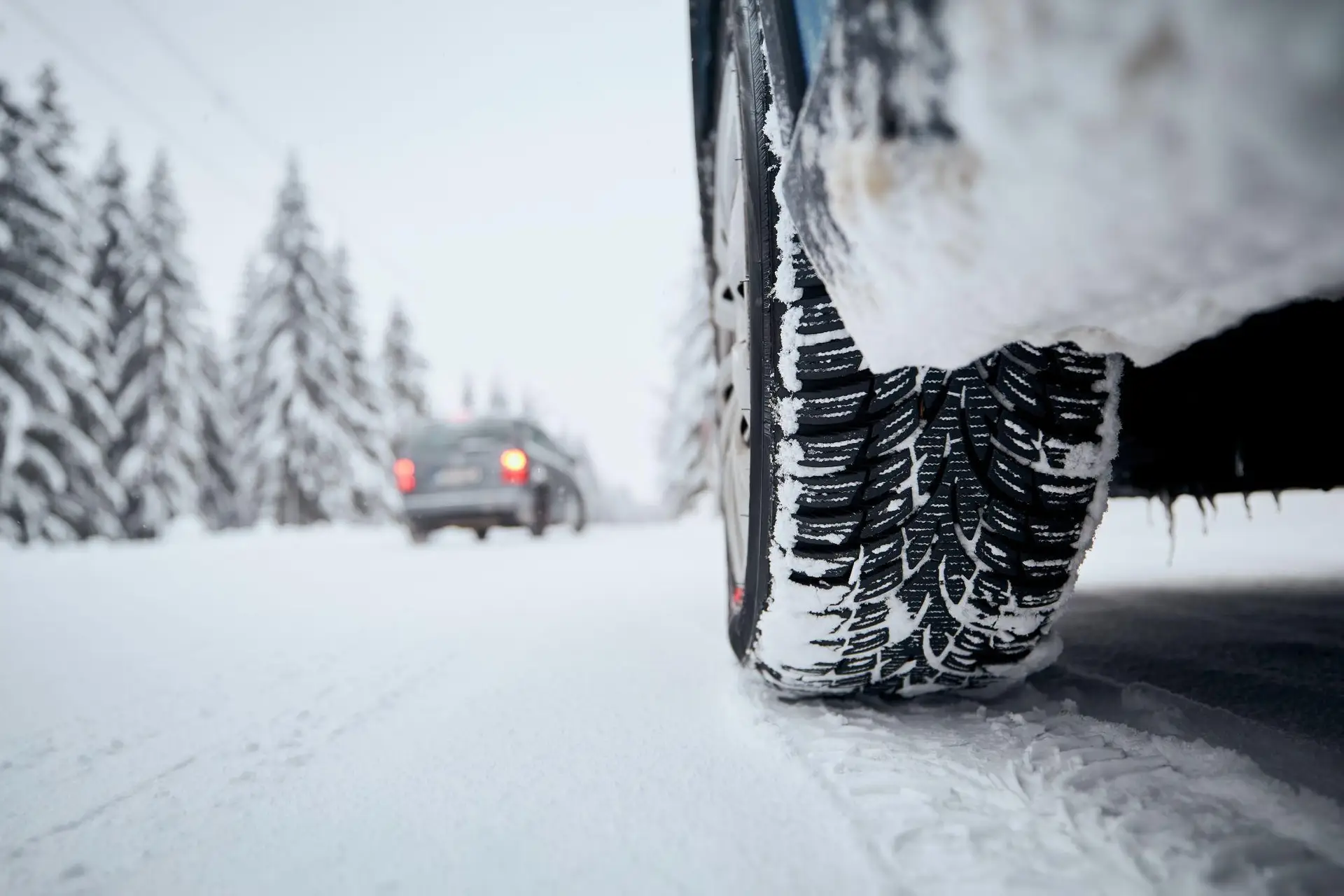
Tires affect braking, steering, stability and fuel use, making them one of the most important parts of a pre-trip check. The inspection should consider pressure, tread depth, uneven wear, cracking, punctures and sidewall damage.
Tire pressure should be checked when the tires are cold and adjusted to the vehicle manufacturer’s specification. The correct pressure is normally listed on the driver’s door placard, not on the tire sidewall.
A heavily loaded vehicle may handle differently, especially if tire pressure is low. Remember to inspect the spare tire as well. A spare that is flat, damaged or inaccessible will not be useful during a roadside emergency.
Uneven tread wear may indicate an alignment or suspension concern. Sil’s article explaining what happens during a wheel alignment check provides more detail on symptoms such as pulling, an off-centre steering wheel and irregular tire wear.
Have the Brakes Inspected
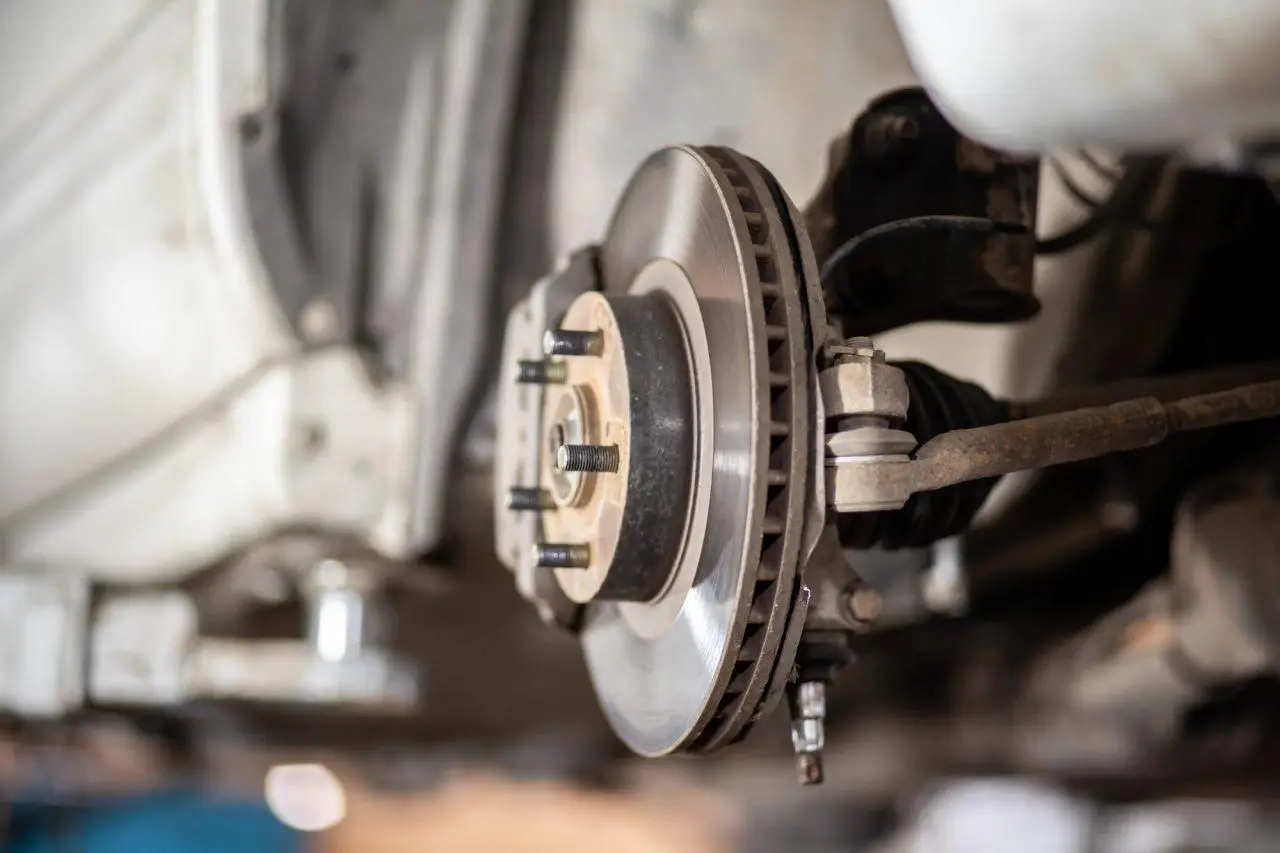
Brakes should respond smoothly and consistently without grinding, shaking, pulling or requiring unusual pedal pressure. A technician can inspect the brake pads, rotors, calipers, lines and fluid condition for signs of wear or damage.
Long highway trips can include sudden stops, heavy traffic and steep roads. Added passengers, luggage or towing weight may also increase the demand placed on the braking system.
Do not wait for the brake warning light to appear. Squealing, grinding, vibration or a soft pedal should be investigated before the trip, even if the vehicle still stops.
Inspect the Cooling System, Fluids, Belts and Hoses
The cooling system helps the engine maintain a safe operating temperature. Before summer travel, the technician should look for low coolant, leaks, damaged hoses, a worn belt and signs that the radiator, water pump or cooling fans are not working correctly.
Fluid checks may include engine oil, brake fluid, transmission fluid, power steering fluid where applicable and windshield washer fluid. The required checks vary by vehicle because newer models may use electric steering or sealed components.
Fluid condition matters as much as fluid level. Old or contaminated fluid may not lubricate, cool or protect a system as effectively as intended. Sil’s fluid maintenance services follow vehicle requirements and the actual condition of the fluid rather than treating every vehicle the same way.
Belts and hoses also deserve attention. Cracking, swelling, fraying, softness or visible leakage can indicate that a component is nearing the end of its service life.
Test the Battery and Charging System
Hot weather can be difficult on a battery, particularly when it is already several years old or has been weakened by short trips and winter starts. A battery may still start the engine at home but fail after the vehicle has been parked at a rest stop or cottage.
A battery test measures more than whether the lights turn on. The inspection can assess its state of charge, starting performance and general condition. The charging system may also be tested to confirm that the alternator is replenishing the battery correctly.
Visible corrosion, slow cranking, dim lights and intermittent electrical behaviour are reasons to arrange car battery testing before leaving.
Don’t Ignore Warning Lights, Noises or Vibrations
A warning light is the vehicle’s way of reporting a condition that needs attention. Some alerts are reminders, while others indicate a problem that could affect safety or cause damage.
Don’t clear a warning light or disconnect the battery simply to make the message disappear before a trip. Diagnostic testing can retrieve fault information and help determine whether the concern needs immediate repair.
Unusual noises and vibrations also provide useful clues. A humming sound that changes with speed, a vibration through the steering wheel or a clunk over bumps may point to tire, wheel-bearing, steering or suspension concerns.
Describe when the symptom occurs, how long it lasts and whether speed, braking or road conditions affect it. Specific observations can make diagnosis more efficient.
What Does a Pre-Trip Vehicle Inspection Include?
A pre-trip inspection should be based on the vehicle’s age, mileage, maintenance history and destination. It may include the tires, brakes, steering, suspension, battery, lights, wipers, fluids, belts, hoses and cooling system.
A digital vehicle inspection can help document the condition of inspected components with notes, photographs or other supporting information. This gives the vehicle owner a clearer understanding of what is in good condition, what should be monitored and what may need service.
Not every recommendation has the same urgency. A trustworthy inspection should separate immediate safety or reliability concerns from maintenance that can reasonably be planned for later.
Prepare for the Type of Trip You Are Taking
A drive from Oakville to Niagara places different demands on a vehicle than a heavily loaded trip north to Muskoka or several days of highway travel across Ontario.
Tell the technician how far you are travelling, whether the vehicle will be towing and whether you expect gravel roads, steep grades or remote stretches with limited services. This context can help determine which areas deserve closer attention.
Before leaving, confirm that your roadside assistance information, insurance documents and wheel-lock key are accessible. Carry basic supplies appropriate for the route, including drinking water, a phone charger, a flashlight and any medication passengers may require.
Start the Trip With Greater Confidence
The best time to find a worn tire, weak battery or small coolant leak is before the vehicle is packed and everyone is ready to leave. A summer road trip car inspection provides an opportunity to correct practical concerns without the pressure of a roadside breakdown.
Sil’s Auto Care Centre can inspect your vehicle, explain what was found and help prioritize any recommended work. Book the appointment early enough to allow time for repairs, then enjoy the drive knowing the vehicle has been checked for the conditions ahead.
Frequently Asked Questions
Not necessarily. Check your current mileage, oil condition and manufacturer-recommended service interval rather than changing the oil automatically. An inspection can confirm whether the oil service is due and identify other areas that may matter more before the trip.
Several days to one week before departure is a sensible target for most trips. This allows time to address a problem without rushing or changing travel plans at the last minute.
A battery test is worthwhile if the battery is several years old, the engine cranks slowly or the vehicle has shown electrical symptoms. Testing is also helpful before travelling to remote areas where roadside service may take longer to reach you.
A mechanic can assess the vehicle’s present condition and identify visible wear, maintenance needs and known mechanical concerns. No inspection can predict every possible failure, but it can give you much better information for deciding whether repairs are needed before travelling.
No. An Ontario safety inspection is designed for a specific certification purpose and follows prescribed minimum standards. A pre-trip inspection is intended to evaluate the maintenance, reliability and practical condition of the vehicle for the journey you are planning.